

Student Travel Offers in Morocco: Budget-Friendly Adventures
Morocco is an ideal destination for students looking to explore a new culture without spending a fortune. With affordable prices, diverse experiences, and flexible travel options, the country offers excellent value for young travelers. These student travel offers in Morocco are designed to combine adventure, culture, and fun while staying within a student budget.
Student travel in Morocco can be affordable, varied and full of memorable experiences when you plan around transport, accommodation and distance. From the medinas of Marrakech and Fes to Atlantic beaches, mountain towns and the Sahara, Morocco offers students many ways to balance culture, adventure and rest. The key is choosing a realistic route: travelling to every region in a few days can quickly become more expensive than staying longer in fewer places.
This guide explains how to plan a student-friendly Morocco trip, find value without compromising safety, and choose experiences that fit your budget. It also covers transport, food, accommodation, student discounts and desert excursions. Whether you’re travelling independently, with friends or as part of a group, you can use these ideas to plan a rewarding journey without relying on special offers that may not be available on your dates.
Why Morocco is a rewarding destination for students
Morocco is a good destination for students who want variety within one trip. You can explore historic medinas, browse markets, visit museums, hike in mountain areas and relax beside the Atlantic. In addition, the country’s cities and regions have distinct identities, so even a two-week visit can feel like several different journeys rather than one long stay in the same setting.
The experience can also suit different budgets. You can save by choosing simple guesthouses, eating at local cafés, walking around historic districts and using intercity buses or trains where available. At the same time, it’s possible to set aside money for a special activity, such as a guided medina walk or an overnight desert camp. This balance is often more satisfying than trying to make every part of the trip luxurious or, conversely, cutting every experience to the lowest possible price.
Plan the trip before searching for offers
Begin with your dates, arrival airport and total number of days. These three details determine how many regions you can visit comfortably and which transport options make sense. A student arriving in Marrakech for one week, for example, will need a different plan from someone arriving in Casablanca for three weeks and leaving from Tangier. Therefore, sketch the route before booking accommodation or buying activities.
Next, list your priorities in order. You might want to spend time in Marrakech, visit Fes, see the Sahara or explore the coast. Choose two or three main highlights first, then add places that fit naturally between them. This prevents an itinerary from becoming a string of expensive transfers. It also helps you compare best Morocco tours and independent travel options based on what they actually include, rather than choosing a package because its name sounds appealing.
Choose the right season for your budget and interests
Spring and autumn are popular times to visit because daytime temperatures are often comfortable for walking and sightseeing. However, these seasons can also be busy, particularly around school holidays and major festivals. If your travel dates are flexible, compare different weeks and check accommodation availability before you commit to a route. A small change in dates can sometimes provide more choices, although prices vary by city and demand.
Winter and summer each have advantages and limitations. Winter may bring quieter city visits, but evenings in the mountains and desert can be cold, so pack warm clothing and confirm heating or bedding arrangements. Summer can be very hot inland, which makes early starts, shade and hydration especially important. Rather than assuming one season is always cheapest or best, check the local conditions for each region you plan to visit.
Build a student budget that covers the whole trip
A useful budget includes more than flights and accommodation. Set aside money for local transport, meals, drinking water, entrance fees, mobile data, laundry, activities and an emergency reserve. The reserve matters because plans can change, buses may be delayed, or you may discover an experience you genuinely want to add. Keeping a small amount uncommitted gives you flexibility without disrupting the rest of your trip.
To stay within budget, divide your spending into daily essentials and optional experiences. Essentials include a bed, meals and transport; optional costs include private guides, hammams, day trips and desert tours. You could also keep a simple note on your phone to record daily spending. Prices differ by season, location and service level, so check current prices directly instead of relying on old online estimates or assuming that every student receives a discount.
Why Morocco Is Perfect for Student Travel
Morocco offers an exciting mix of history, landscapes, and social experiences. As a result, it has become increasingly popular among students and backpackers.
What Makes Morocco Ideal for Students
-
Affordable accommodation and transport
-
Rich cultural and historical sites
-
Easy group travel options
-
Safe and welcoming atmosphere
Budget-Friendly Cities for Students
Some Moroccan cities are especially suitable for student travelers. Thanks to their affordability and energy, they attract young visitors from around the world.
Marrakech: Culture, Nightlife, and Adventure
Marrakech is a favorite among students. In particular, it offers a lively atmosphere and countless budget experiences.

Why Students Love Marrakech
-
Affordable hostels and riads
-
Street food and budget eateries
-
Cultural landmarks and free walking areas
-
Easy access to day trips
Save on transport without making the route exhausting
Morocco has several ways to travel between cities, including trains on some major routes, intercity buses, shared taxis and private transfers. Trains can be useful for certain city-to-city journeys, while buses reach many destinations that are not connected by rail. Compare departure points, luggage rules, journey times and arrival locations before booking, since a ticket that looks inexpensive may require an additional taxi or a long wait.
However, the cheapest transport is not always the best value if it takes much longer or makes a connection difficult. For long journeys, look at the complete travel time and the cost of getting to and from stations. When travelling with friends, compare the cost of a shared transfer with individual tickets, but consider the quality and safety of the operator. For desert routes, road time is substantial, so choose an itinerary with suitable overnight stops rather than trying to save money by travelling at an unreasonable pace.
Find affordable accommodation that still feels comfortable
Hostels and shared dormitories can help reduce accommodation costs, particularly in popular cities. They may also make it easier to meet other travellers and find companions for meals or activities. Before booking, check recent reviews for cleanliness, security, noise, location and the availability of lockers. A low price is less attractive if the accommodation is far from the places you plan to visit or requires frequent taxi rides.
Guesthouses and simple riads can be good value when two or more people share a room. In smaller towns, family-run accommodation may include breakfast or helpful local advice, although inclusions differ. Compare the total cost rather than the room price alone: breakfast, location and transport access can all affect your spending. For a desert overnight, ask specifically about bathroom facilities, bedding and transfers, because the word “camp” does not guarantee a particular comfort level.
Eat well without spending too much
Food is one of the easiest parts of a Morocco trip to adapt to different budgets. Local cafés and simple restaurants often offer filling dishes, while bakeries and markets can be useful for snacks during travel days. Try regional food when you can, and ask what is included before ordering. Menus, portions and prices vary between neighbourhoods and tourist areas, so compare a few places rather than assuming the first restaurant near a landmark is the best value.
At the same time, be thoughtful about food safety and hydration. Choose busy places with a high turnover, wash or sanitize your hands before eating, and use sealed or treated water if you’re unsure about local drinking-water arrangements. If you have allergies or dietary needs, communicate them clearly and carry a translated note if that would help. Planning simple meals for long travel days can also prevent costly last-minute stops.
Ask about student discounts, but verify the details
Some museums, cultural attractions and tour providers may offer reduced prices to students, but policies vary. Bring a valid student card and check whether the discount applies to international students, which identification is accepted and whether tickets must be bought in person. Do not build your entire budget around an assumed discount, since it may be unavailable on certain dates or for certain visitors.
It is also worth checking official attraction websites or contacting providers directly before you travel. Some discounts may be limited to residents, specific age groups or particular institutions. If no student rate is available, look for free walking routes, public viewpoints, low-cost cultural events and combined tickets where offered. A thoughtful mix of paid and free activities usually gives students more value than trying to secure a discount for every visit.
Where to Go in Morocco on a student budget
If you are deciding Where to Go in Morocco, think about the experiences you value most. Marrakech offers lively markets, historic sites and access to day trips, while Fes is known for its old medina, crafts and cultural history. Casablanca and Rabat offer a different urban perspective, and northern destinations such as Tangier and Chefchaouen provide coastal and mountain contrasts. Each destination can fit a student trip, but adding every one of them may require more time and transport spending.
For a shorter visit, choose a compact route with a few overnight bases. For a longer break, you can travel farther and include the Sahara or additional coastal towns. Consider how many nights you want in each place, not just how many cities you can list. A slower plan often costs less because it reduces repeated transfers, while also leaving you more time to explore on foot.
Fes: History and Authentic Experiences
Fes is ideal for students interested in culture and history. Because of its preserved medina, it offers a deep cultural experience at low cost.
Highlights for Students
-
Low-cost accommodation
-
Walkable historic medina
-
Affordable local food
-
Cultural workshops and tours
Chefchaouen: Budget-Friendly and Photogenic
Chefchaouen is perfect for students who enjoy photography and relaxed travel. Moreover, prices here are generally lower than in larger cities.

Why Visit Chefchaouen
-
Cheap guesthouses
-
Free sightseeing spots
-
Friendly backpacker vibe
-
Scenic hiking nearby
Group Tours and Student Packages
Group tours are one of the best student travel offers in Morocco. By traveling in groups, students save money and enjoy social experiences.
What Student Packages Often Include
-
Shared transportation
-
Budget hotels or hostels
-
Group guides and activities
-
Discounts for students
Affordable Desert Tours for Students
Seeing the Sahara doesn’t have to be expensive. Fortunately, many operators offer student-friendly desert tours.
Marrakech: markets, architecture and affordable day experiences
Marrakech is a practical starting point for many students because it has a wide range of accommodation and activities. You can explore parts of the medina on foot, visit public squares and gardens, browse souks and take time to observe the city’s architecture. Some attractions have entrance fees, so check prices and opening times before visiting. A self-guided walk can be a good introduction, while a local guide may be worthwhile if you want historical context.
Marrakech also offers access to day trips and southern routes. Marrakech desert tours range from nearby excursions to multi-day journeys toward the Sahara, so check the destination carefully before booking. A nearby rocky landscape is not the same experience as travelling to large sand dunes, and a short trip cannot cover the same distance as a longer expedition. If you are on a tight budget, compare the full itinerary and inclusions rather than choosing only by the lowest advertised price.
Fes: history, crafts and a walkable medina
Fes can be a rewarding destination for students interested in history, architecture and traditional crafts. The medina is extensive and can be confusing at first, so plan your route and keep a map available. A guide can help explain the city’s layout and history, but independent exploration is also possible if you prepare. Be respectful when visiting religious or working spaces, and follow local guidance about where visitors may enter.
To control costs, prioritize a few areas instead of trying to see everything in one day. Ask accommodation staff for current advice about walking routes and reliable local transport. If you want to visit the Sahara from Fes, compare the time and price of Morocco desert tours from Fes with a separate transfer plan. Fes desert tours commonly travel toward Merzouga through the Middle Atlas and Ziz Valley, but route length, overnight stops and camp facilities vary.
Casablanca and Rabat: modern city life and coastal heritage
Casablanca can be a convenient entry or departure point because it has major international connections. The city offers a modern urban perspective alongside coastal landmarks and historic areas. Plan visits around your arrival time, since a long flight can make a full sightseeing schedule uncomfortable. If you have only a short stop, focus on one or two places that interest you rather than crossing the city repeatedly.
Rabat is another useful city to consider, especially if it fits between Casablanca and northern destinations. It can offer a calmer pace, historic sites and pleasant areas for walking. Travellers searching for Casablanca desert tours should remember that Sahara destinations are far from the coast; these are generally multi-day itineraries rather than simple local excursions. Sahara Tours from Casablanca may combine several cities before reaching the desert, so check the route and the number of nights carefully.
Tangier and Chefchaouen: northern Morocco on a budget
Tangier is a practical northern base for travellers arriving by ferry or flight. You can explore the city, visit viewpoints and enjoy the coastal atmosphere without immediately committing to a long cross-country journey. From Tangier, travellers can continue to Chefchaouen, Fes or other destinations, depending on the time available. Compare transport schedules before booking accommodation, as connections and journey times can affect your plans.
Chefchaouen is known for its mountain setting and distinctive streets. It is a good place to slow down, walk and take photographs, although accommodation costs can rise in busy periods. If you are considering Desert Tours from Tangier, check whether the itinerary includes Chefchaouen and Fes, how long the journey to the desert takes and where the tour ends. A northern starting point can work well, but it requires a realistic number of travel days.
Essaouira and the Atlas: lower-cost ways to add variety
Essaouira offers a coastal change of pace after time in larger cities. Its walkable areas, sea views and relaxed atmosphere make it appealing for students who want a break from intensive sightseeing. You can spend time walking along the coast, exploring the old town and trying local food. Check transport schedules and accommodation options in advance, particularly during busy weekends and holidays.
The Atlas region can add mountain scenery and outdoor activities to a student itinerary. Some routes are suitable for short walks, while longer hikes may require a local guide, appropriate equipment and more preparation. Conditions can change with season and elevation, so ask locally about trail access and weather. Combining a city stay with a nearby mountain excursion can provide variety without adding as much travel as crossing the country.
Affordable activities that make a trip memorable
Not every worthwhile experience needs a high entrance fee. Walking through historic neighbourhoods, visiting public squares, watching daily life from a respectful distance and exploring local markets can all provide insight into a destination. Always ask before photographing people, and be mindful that markets and residential streets are working spaces, not simply tourist attractions.
You can also look for free or low-cost viewpoints, public gardens, cultural events and student-friendly museum days where available. Check opening times and entry policies rather than assuming that an attraction is free. A balanced itinerary might include one paid landmark or guided experience each day, followed by self-guided exploration. This approach keeps costs manageable while still allowing you to learn more than you would by rushing from one photo stop to another.
Explore the medinas thoughtfully
The medinas of Marrakech and Fes are destinations in themselves. Allow time to walk slowly, notice the architecture and learn how different sections of the city function. A map or offline navigation app can help, but it is also useful to ask your accommodation for directions to key areas before you leave. If someone offers help, agree on any fee before accepting a service.
Shopping can be enjoyable, but students should set a budget before entering the souks. Compare items at more than one stall, ask about materials and craftsmanship, and avoid buying something simply because a seller says it is a special offer. If you are not interested, a polite and clear response is usually enough. Respectful bargaining should remain friendly and should not become a source of stress.
Enjoy the coast and public spaces
Coastal towns provide a change from busy city streets and long road journeys. Public beaches, promenades and scenic viewpoints can be low-cost ways to spend an afternoon, although beach conditions and facilities differ by location. Follow local advice about swimming, currents and weather, and do not assume that every beach is suitable for swimming.
The coast can also be a good place to pause during a longer itinerary. Rather than adding several towns for a single night each, choose one coastal base and spend enough time to enjoy it. This can reduce transport costs and make your holiday feel less rushed. If you plan to surf or join another activity, compare equipment rental and lesson prices before booking, and check what safety support is included.
Plan a Sahara visit that fits your budget
A Sahara experience can be a major highlight, but it requires planning because the desert is far from many Moroccan cities. The total cost depends on the departure point, number of days, group size, transport, accommodation and camp facilities. A cheap-looking package may exclude meals or transfers, while a more expensive option may include services you do not need. Read the itinerary closely and compare like-for-like offers.
Students should also decide what “desert experience” means to them. Do you want large dunes, a camel ride, a camp night, a remote landscape or simply a sunset outside the city? Different places offer different combinations. If you only have one or two days, a nearby excursion may be more realistic; if large dunes are essential, allow enough time to travel and enjoy them rather than treating the drive as an afterthought.
Sahara desert tours from Marrakech
Sahara desert tours from Marrakech can take several days, particularly when the destination is Merzouga and the Erg Chebbi dunes. The route may include the High Atlas, kasbahs, valleys or gorges, but the exact stops depend on the operator. A short itinerary may involve long driving days, so compare the total time in the vehicle with the time at the desert camp.
If you have flexibility, consider adding an extra night or choosing a route with an overnight stop before or after the desert. This can improve comfort and give you more time to explore along the way. Check whether the tour is private or shared, what the group size is, and whether the camel ride can be replaced with a vehicle transfer. A clearly described itinerary is more useful than a dramatic title.
Morocco desert tours from Fes
Morocco desert tours from Fes often pass through the Middle Atlas and the Ziz Valley before reaching Merzouga. This route can appeal to students who are already visiting Fes or who want to travel south without returning to Marrakech first. Depending on the package, the journey may include mountain scenery, an overnight stop and a desert camp experience.
Before booking, confirm the duration, daily driving schedule and final drop-off point. Some Fes desert tours return to Fes, while others continue to Marrakech or another city. A one-way route can save time if it fits your wider itinerary, but it may affect your transport and accommodation plans. Check these details in advance so the desert trip connects smoothly with the rest of your journey.
Casablanca desert tours and Sahara Tours from Casablanca
Casablanca desert tours are usually multi-day journeys because the Sahara is inland and far from the coast. Some routes combine Casablanca with Rabat, Fes or Marrakech before travelling toward Merzouga. This can be useful if Casablanca is your arrival airport and you want a broader itinerary, but it is not normally a quick day trip to the large dunes.
When comparing Sahara Tours from Casablanca, check how many nights are spent in cities and how many are allocated to the desert route. Ask whether accommodation, meals, camp transfers and entrance fees are included. If your overall trip is short, you may find it more affordable to focus on fewer destinations rather than attempting to visit every major city and the Sahara in a compressed schedule.
Desert Tours from Tangier
Desert Tours from Tangier can connect northern Morocco with Fes and the Sahara. They may suit travellers entering the country by ferry or flight in the north, especially if they want to visit Chefchaouen before heading south. However, the distance to desert regions means that a multi-day route is necessary to make the journey worthwhile.
Check whether the tour ends in Tangier, Fes or Marrakech, and confirm how many hours are spent travelling each day. If the trip includes several northern cities and the Sahara, ensure there are enough nights to enjoy them. Students can reduce costs by comparing a group departure with independent transport, but should include accommodation, meals and local transfers in the comparison rather than looking at the tour price alone.
Choose small-group tours carefully
Small Group Morocco Tours may help students share transport costs while still travelling with a manageable number of people. They can also make it easier to meet other travellers and coordinate activities. However, the phrase “small group” can mean different things, so ask for the maximum number of passengers and the vehicle type before booking. A comfortable vehicle matters on long journeys.
Look for Authentic Small Group Morocco Tours that explain their route, accommodation and included activities clearly. Ask whether stops are flexible, whether shopping visits are optional and what happens if a participant needs an alternative to camel riding. Larger morocco group tours may be cheaper, but the schedule and comfort level can differ. The right choice depends on your budget, social preferences and tolerance for fixed timings.
Private tours, custom routes and family travel
Private tours can cost more per person, but they may offer value when several friends travel together and split the price. They can also allow more control over departure times and stops. If you are travelling as a pair or alone, compare the total private price with a small-group option and consider whether the extra flexibility is worth the difference.
Some companies offer custom Morocco tours or tailor made Morocco tours that adjust the route, accommodation and activities to a traveller’s preferences. These are not automatically student-priced, so ask for a clear breakdown and suggest practical ways to lower costs, such as using simpler accommodation or reducing optional activities. Students travelling with parents or siblings may also compare Morocco Family Tours, where the total package can sometimes simplify transport and room planning.
A practical seven-day student itinerary
For one week, choose a route that limits backtracking. One option is to spend two or three nights in Marrakech, travel to a nearby destination or take a short day trip, then continue to Fes by train or bus if the schedule works. Another option is to focus on Casablanca, Rabat and Tangier, with time in Chefchaouen. Trying to include every city and the Sahara in seven days can make the trip tiring and costly.
If the Sahara is your top priority, build the week around a multi-day desert journey rather than treating it as a quick add-on. You could begin in Marrakech or Fes, choose a tour with clearly stated overnight stops and finish in a city that works for your onward transport. The right itinerary depends on flight times and travel pace, so compare the actual journey before paying for separate tickets or non-refundable accommodation.
Planning a longer visit or a 3 weeks in Morocco itinerary
A longer holiday gives students more room to travel by region and avoid expensive rushed transfers. A 3 weeks in Morocco itinerary might include Casablanca or Rabat, Tangier and Chefchaouen, Fes, a Sahara journey, Marrakech and a coastal destination such as Essaouira. You could also add rest days between long journeys, which helps keep both spending and energy under control.
Use the extra time to stay more than one night in key locations. Multiple nights can reduce packing and transfer costs while giving you a better chance to understand each place. You might also include a cooking class, a guided walk or a mountain day, depending on your interests. Three weeks does not mean you have to see everything; it means you can choose fewer places and experience them at a more comfortable pace.
Adventure activities for students
Morocco can suit travellers looking for Morocco adventure tours, including hikes, canyon walks, surf lessons and desert activities. The right choice depends on your fitness, the season and the provider’s safety arrangements. Before booking, ask what equipment is included, whether a guide is required and what happens if weather conditions change.
Do not choose an activity based only on a low price or an exciting photograph. Check recent reviews, insurance information and cancellation terms, and tell the provider about medical or mobility concerns. Leave enough recovery time after strenuous activities, especially if you have a long transfer the following day. A good adventure plan combines activity with rest, rather than filling every available hour.
Stay safe and protect your belongings
Use ordinary travel precautions: keep valuables secure, carry only what you need for the day and store copies of important documents separately. At night, use well-lit routes and trusted transport, particularly if you are unfamiliar with an area. Keep emergency contacts and accommodation details accessible offline, since mobile coverage can vary outside major cities.
It is also sensible to check current travel advice from your government before departure and to confirm entry requirements based on your nationality. Be cautious with unsolicited offers of transport or guiding, and agree on prices before accepting a service. When travelling with friends, share your plans and meeting points. These simple habits can reduce avoidable problems without making you anxious about the trip.
Packing for a student trip
Pack light enough to manage your own luggage on buses, trains and stairs. Comfortable walking shoes, breathable clothing, sun protection and a reusable water bottle are useful for city days. If you are visiting the mountains or Sahara, add layers for cooler evenings. Weather varies by season and location, so check forecasts for the actual places on your route rather than packing for one climate.
A small day bag should hold your phone, wallet, water, any medication and a portable charger. Keep copies of reservations and travel documents available offline. Students planning to stay in hostels may want a small lock and earplugs, while desert visitors should confirm whether bedding and towels are supplied. Packing according to your itinerary is cheaper and easier than buying forgotten essentials after arrival.
Common budgeting mistakes to avoid
One common mistake is booking too many destinations before estimating transport costs. Each extra stop may require another ticket, taxi, night of accommodation or day away from sightseeing. Instead, compare the total cost of a route and ask whether a destination is important enough to justify the travel time. A shorter, well-planned trip can be more satisfying than an ambitious itinerary that leaves no room to rest.
Another mistake is focusing on the lowest advertised tour price without checking inclusions. Confirm meals, accommodation, camp transfers, luggage arrangements and optional fees. Also avoid assuming that every “student offer” is current or applies to international visitors. Keep some money aside for changes and emergencies, and be wary of offers that seem unclear about what is being provided.
How to find authentic experiences without overspending
Authentic Morocco Travel Experiences do not have to mean expensive private activities. They may come from walking through a neighbourhood with a local guide, eating at a small restaurant, visiting a public market or taking time to learn about a craft. The important part is choosing experiences respectfully and understanding what your payment supports.
If you join a tour, ask how the operator works with local guides, accommodation providers and communities. Choose activities where prices and expectations are explained in advance. Avoid treating people or neighbourhoods as attractions, and ask permission before
taking photographs. Thoughtful travel can be both budget-conscious and culturally respectful.
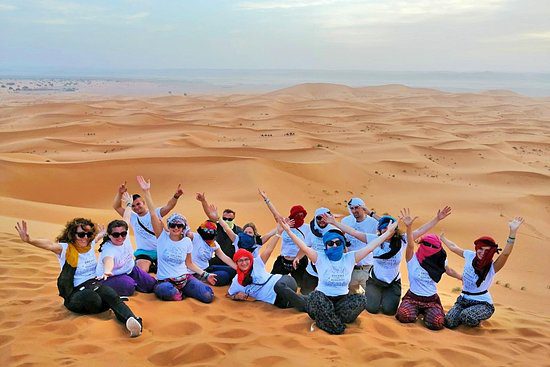
Student Desert Tour Highlights
-
Shared camel treks
-
Budget desert camps
-
Group transport from major cities
-
Cultural activities included

Cheap Transport Options for Students
Getting around Morocco is affordable and easy. Therefore, students can travel independently without high costs.
Best Transport Choices
-
Trains between major cities
-
Shared taxis (grand taxis)
-
Budget buses
-
Organized group transfers
Best Time for Student Travel in Morocco
Timing your trip can save money. For this reason, students often travel during shoulder seasons.
-
Spring (March–May): Pleasant weather and good prices
-
Autumn (September–November): Ideal for budget travel
-
Summer: Best for coastal cities
-
Winter: Affordable city and desert trips
Tips for Students Traveling in Morocco
Before traveling, keep these tips in mind. By planning smartly, you’ll stretch your budget further.
Helpful Student Travel Tips
-
Carry a student ID for discounts
-
Book group tours when possible
-
Eat where locals eat
-
Use public transport
Who Are Student Travel Offers in Morocco For?
-
University students
-
Backpackers and gap-year travelers
-
Student groups and clubs
-
Young travelers on a budget
Final Thoughts
Student travel offers in Morocco make it easy to explore the country without overspending. From historic cities and blue mountain towns to affordable desert adventures, Morocco provides unforgettable experiences perfectly suited to student travelers.
Conclusion: make the budget work for your priorities
A successful student trip to Morocco is not about doing everything for the lowest possible price. It is about choosing a route that fits your time, setting a realistic budget and spending selectively on experiences that matter to you. Walk when it makes sense, compare transport options, eat locally and leave room for rest between long journeys.
Whether you explore cities independently, join a small-group departure or add a desert overnight, check the details before you book. Offers and student discounts can change, so confirm them directly with attractions and operators. With careful planning, student travel in Morocco can be affordable, culturally rich and full of adventures worth remembering.