
Casablanca vs Marrakech: Which City Is Better for Your Trip?
Introduction
Choosing between Casablanca and Marrakech depends on the kind of trip you want. Casablanca is Morocco’s largest city and a major business and transport hub. It offers Atlantic views, modern neighborhoods, historic architecture, and daily life at a fast urban pace. Marrakech, by contrast, draws visitors with its old medina, gardens, palaces, markets, and lively public squares. Both cities have history and culture, but they create very different first impressions.
This guide compares Casablanca vs Marrakech across attractions, food, weather, transport, prices, day trips, and desert access. You will find practical advice for couples, families, solo travelers, and visitors on a short stay. In addition, the guide explains how each city fits into a longer Morocco itinerary. There is no single winner for everyone. The better choice depends on your interests, available time, and preferred travel style.
The Short Answer: Which City Should You Choose?
Choose Marrakech if you want a classic first visit with a strong focus on historic sights, markets, gardens, and day trips. Many visitors enjoy its compact old city and the range of activities nearby. You can explore a palace in the morning, browse the souks in the afternoon, and watch Jemaa el-Fnaa change as evening begins. Marrakech also offers easier access to the High Atlas and many southern routes.
Choose Casablanca if you prefer a large, modern city with Atlantic scenery, Art Deco buildings, and a more local daily rhythm. It also works well as an arrival or departure point because of its international airport and rail links. However, travelers who want a traditional medina atmosphere may find Marrakech more rewarding. If you have enough time, visiting both cities can give you a broader view of modern and historic Morocco.
Casablanca and Marrakech at a Glance
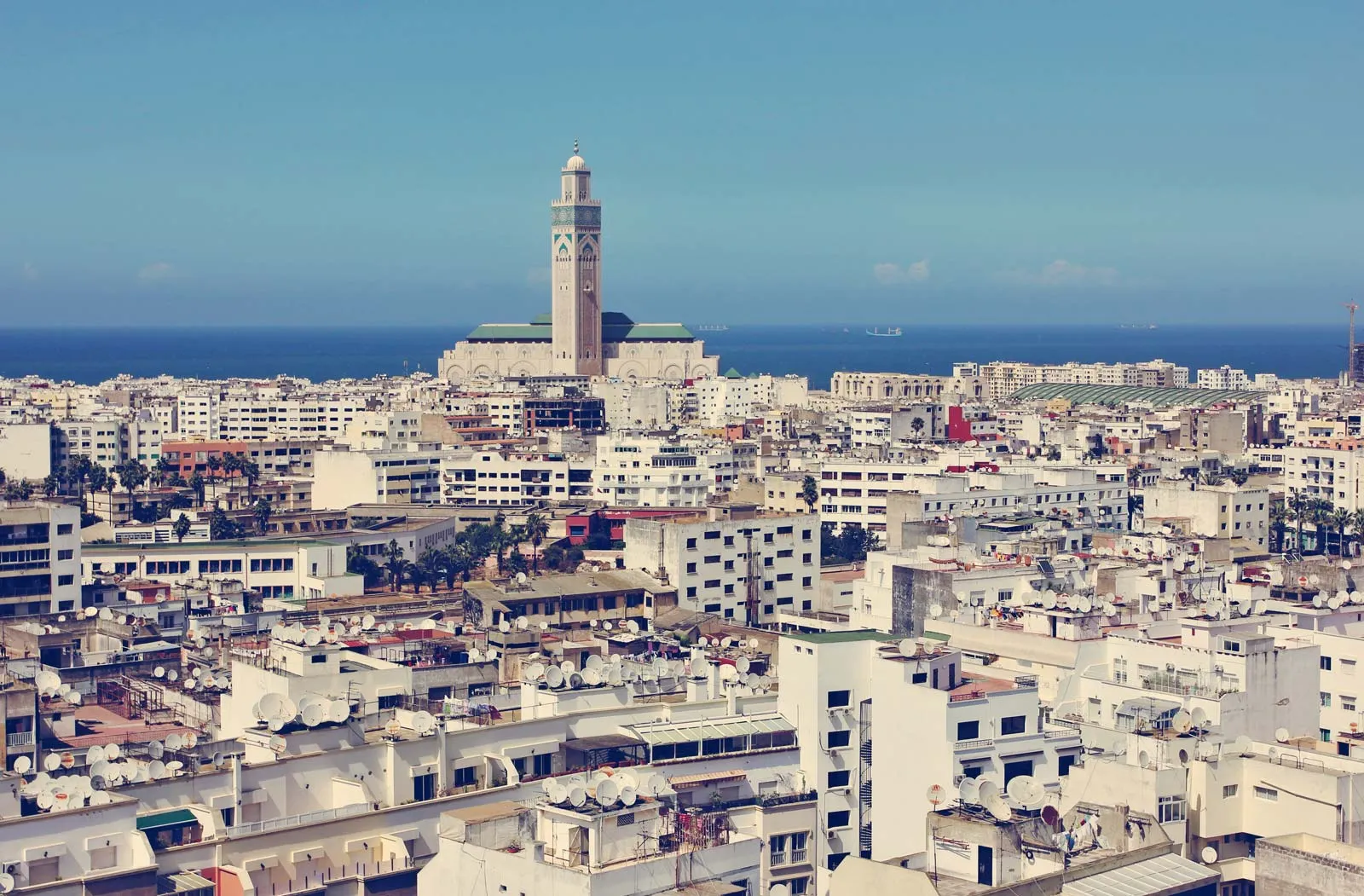
Casablanca feels larger, busier, and more spread out. Its main attractions sit across different districts, so visitors often use taxis, trams, or trains to get around. The city combines business towers, apartment blocks, historic streets, cafés, and an oceanfront promenade. As a result, it can feel like a working city first and a sightseeing destination second. Travelers who enjoy observing everyday urban life may appreciate that balance.
Marrakech offers a more concentrated visitor experience, especially inside and around the medina. Many major sights, shops, and restaurants sit within walking distance of one another, although the lanes can be confusing at first. The city has a strong tourism scene, with riads, guided walks, cooking classes, and organized excursions. That convenience appeals to first-time visitors. Still, Marrakech has modern neighborhoods too, so the city extends well beyond its famous old center.
The Feel of Each City
Casablanca suits travelers who like big cities and do not need every street to feel historic. People commute, shop, work, and meet friends in many different districts. The Corniche adds a coastal side, while central neighborhoods show the city’s mix of old and new buildings. Visitors may find fewer obvious tourist activities than in Marrakech. However, that can make Casablanca a useful place to see contemporary Moroccan life beyond the main sightseeing route.
Marrakech often feels more immediate for visitors. The medina’s narrow lanes, food stalls, markets, and landmarks place many experiences close together. That energy can be exciting, though busy squares and popular souks may feel intense at peak times. The modern parts of Marrakech offer a quieter contrast, with broad roads, shopping centers, cafés, and hotels. Therefore, the city can suit travelers who want both historic sights and modern comforts in one stay.
History and Culture
Casablanca has a long history, but much of the city that visitors see today grew during the twentieth century. Its past includes Amazigh, Arab, European, and Jewish influences. The Old Medina, the Habous quarter, and the Art Deco center each show different parts of that story. The city also plays a major role in Morocco’s business and cultural life. Exploring these areas with a local guide can reveal details that a quick drive might miss.
When planning a trip to Morocco, many travelers compare Casablanca vs Marrakech. Although both cities are iconic, they provide very different experiences. Casablanca reflects modern Morocco with its coastal lifestyle, while Marrakech offers a colorful journey into tradition and history. For this reason, choosing the right city depends on what kind of trip you want.
Casablanca vs Marrakech: Quick Overview
At first glance, both cities may seem similar. However, their atmosphere, attractions, and pace of life are quite different.
Key Differences at a Glance
-
Casablanca: Modern, urban, and business-oriented
-
Marrakech: Historic, cultural, and lively
Atmosphere and Vibe
Casablanca: Modern and Coastal
Casablanca is Morocco’s economic capital and feels more international than traditional. As a result, the city has a relaxed, urban lifestyle with fewer historic neighborhoods.

What Defines Casablanca
-
Modern architecture
-
Coastal promenades
-
Business and commercial focus
-
Less intense tourist atmosphere
Marrakech: Historic and Energetic
In contrast, Marrakech is full of energy, colors, and traditions. Because of its rich history, the city attracts visitors seeking an authentic Moroccan experience.

What Defines Marrakech
-
Bustling medina and souks
-
Traditional riads
-
Vibrant street life
-
Strong cultural identity
Top Attractions
Best Attractions in Casablanca
While Casablanca is not as historic as Marrakech, it still offers a few impressive landmarks. Most notably, the Hassan II Mosque is one of the largest mosques in the world.

Top Attractions in Casablanca
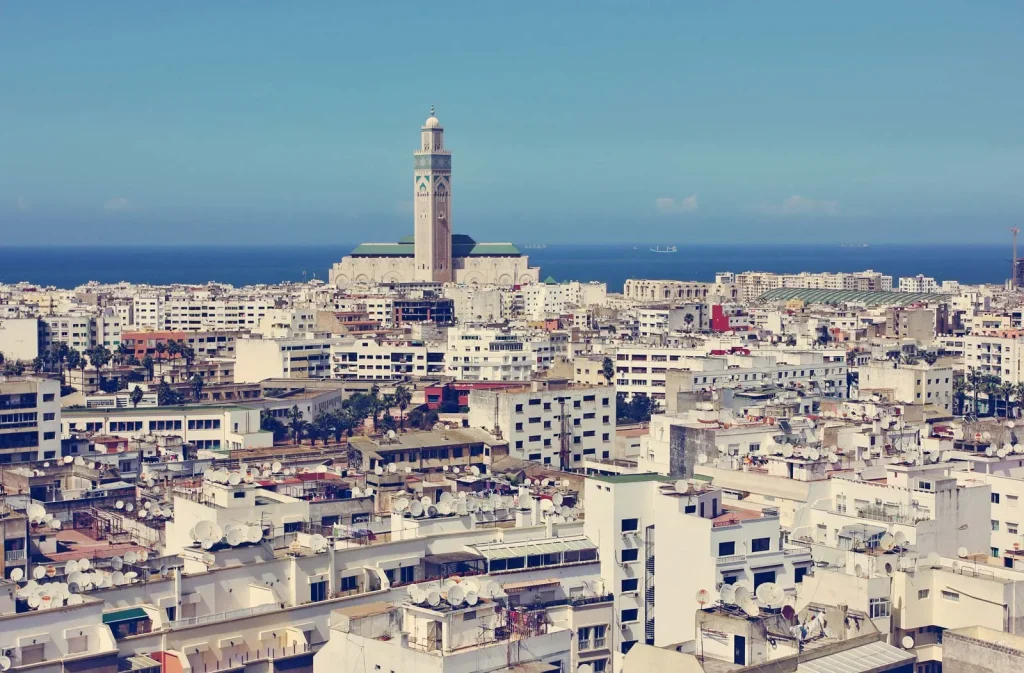
The Hassan II Mosque is Casablanca’s best-known landmark. Its setting beside the Atlantic makes it one of the city’s most striking sights. Visitors can join guided tours at set times, but schedules and access rules can change. Check current details before you go, and dress respectfully. Nearby, the Corniche offers sea views, cafés, and space for a walk. The Old Medina gives travelers another perspective, with local shops and streets close to the city center.
Architecture fans can explore central Casablanca’s Art Deco buildings and the Habous quarter. The Habous district combines planned streets, traditional design details, bookshops, and small markets. It offers a calmer way to browse than some of the busier shopping areas. Travelers can also visit the city’s museums, parks, and cafés, depending on their interests. Casablanca’s attractions are spread out, so plan the order of your stops rather than expecting to see everything on foot.
Top Attractions in Marrakech
Marrakech’s best-known sights include Jemaa el-Fnaa, Bahia Palace, the Saadian Tombs, and Ben Youssef Madrasa. Each site offers a different look at the city’s architecture and history. The Koutoubia Mosque’s minaret stands as a major city landmark, while the surrounding gardens provide a pleasant place to pause. Visitors who want a quieter experience can also explore museums and historic gardens. Check opening times and ticket rules, since they can change.
The Majorelle Garden attracts many visitors, so advance booking may help during busy periods. Beyond the main attractions, Marrakech rewards slow exploration. You can follow a local guide through the medina, visit a small workshop, or sit in a café and watch the streets. The city also serves as a base for mountain and desert trips. As a result, travelers can combine historic sightseeing with outdoor activities without changing hotels every night.
Medinas and Street Life
Marrakech’s medina offers a dense network of lanes, markets, homes, and historic buildings. The souks sell crafts, clothing, spices, and everyday goods. Visitors may find the maze confusing, especially on a first visit, so a local guide can make the experience easier. Walk at a relaxed pace and take note of landmarks. You will enjoy the medina more if you leave time to browse rather than rushing from one attraction to the next.
Casablanca also has an Old Medina, although it offers a different experience from Marrakech’s large visitor-focused souks. The streets feel more connected to daily city life, and visitors may see residents shopping and meeting friends. The Habous quarter gives another option for browsing local shops in a more planned setting. Neither city has a single “correct” way to explore. In both places, ask before photographing people and respect private homes and businesses.
Architecture and Design
Casablanca stands out for its mixture of modern buildings, Art Deco façades, and older architecture. Many central buildings date from the early and mid-twentieth century, when the city expanded rapidly. Travelers who like urban design can look for balconies, curved windows, decorative ironwork, and tiled details. The Hassan II Mosque adds a different architectural style, with intricate surfaces and a dramatic oceanfront setting. A guided walk can help you notice features you might otherwise pass.
Marrakech is known for its earthen-colored walls, courtyards, carved plaster, tilework, and traditional riads. A riad is a home built around an inner courtyard, often with rooms facing a garden or fountain. Many historic buildings use private courtyards to create calm inside busy streets. Visitors can see detailed craftwork in palaces, schools, and religious sites. However, not every building welcomes visitors, so respect signs and local guidance while exploring the medina.
Food and Dining
Casablanca offers a broad dining scene, from local cafés and bakeries to seafood restaurants and international food. Its coastal location gives visitors access to fish and other Atlantic dishes, though menus vary by neighborhood. Travelers can also look for Moroccan staples such as tagine, couscous, grilled meat, and salads. For a more local feel, ask a resident or guide where people nearby eat. A busy restaurant does not always mean a better or more authentic meal.
Marrakech provides many chances to sample Moroccan cooking. Visitors can try tagine, pastilla, harira, grilled dishes, and fresh juices, depending on the place and season. Jemaa el-Fnaa fills with food stalls in the evening, while quieter restaurants and riads offer another setting. Cooking classes and market visits can help explain local ingredients and methods. Tell the restaurant about allergies or dietary needs before ordering. Also, drink bottled or properly treated water if you are unsure about local supplies.
Shopping and Markets
Marrakech is a popular place to shop for textiles, leather goods, lamps, pottery, spices, and other crafts. The souks can feel lively and crowded, especially near the main squares. Take time to compare items and ask questions about how they were made. Bargaining may form part of the exchange in some shops, but keep the conversation polite. If you do not want to buy, say so clearly and continue on without feeling pressured.
Casablanca offers a different mix of shopping. Visitors can explore neighborhood markets, shopping centers, local shops, and the Habous quarter. The city’s shops often serve residents as well as tourists, which gives browsing a different pace. Travelers looking for handmade items may want to visit a specific workshop or ask a guide for recommendations. In either city, check the item’s quality before you buy, and remember that a fair price should respect the craft worker’s time.
Evenings and Nightlife
Marrakech’s evening scene often centers on Jemaa el-Fnaa. As daylight fades, food stalls open, musicians perform, and crowds gather. Visitors can watch from the square or choose a rooftop café nearby. The atmosphere changes through the evening, so a short visit at two different times can feel like two separate experiences. If you prefer quiet, choose a restaurant or garden away from the busiest streets.
Casablanca offers a more modern city night, with cafés, restaurants, cinemas, and some nightlife in licensed venues. The options vary by neighborhood and day of the week. Many residents meet friends over dinner or coffee rather than visiting a tourist attraction. Travelers should choose venues that suit their comfort and follow local customs. In both cities, plan your return trip in advance, especially if you stay out late or travel beyond the central areas.
Weather and the Atlantic Coast
Casablanca’s Atlantic setting often brings cooler air and more moderate temperatures than inland Marrakech. The city can feel humid or windy, and winter may bring rain. The Corniche offers a pleasant walk when conditions suit, but the sea can be rough. Do not assume every stretch of coastline works for swimming. Check local conditions and follow signs, especially if you visit a beach outside the main city areas.
Marrakech has a hotter, drier climate for much of the year. Summer afternoons can feel very hot, while winter evenings may feel chilly after sunset. Visitors should carry water, wear sun protection, and plan outdoor sightseeing for cooler hours. Spring and autumn often suit walking tours, although weather can still change. If you plan mountain or desert excursions, check conditions for those regions as well. Weather in Marrakech does not always match the forecast in the mountains or Sahara.
Day Trips from Casablanca
Casablanca works well for trips to nearby Atlantic and historic destinations. Rabat, Morocco’s capital, offers gardens, museums, historic gates, and a coastal setting. Travelers can often reach it by train or road, making it a practical day trip. El Jadida provides another coastal option, with historic Portuguese-era features. Before choosing a destination, check travel times and opening hours. A relaxed day trip usually feels better than trying to visit several towns in one day.
The city also serves as a useful stop on longer routes through Morocco. Travelers can continue to Fes, Marrakech, or northern destinations by train or car. Casablanca’s transport links may make it a sensible first or last stop, even if it is not the main focus of the holiday. If you enjoy modern city life, you may want to stay longer. Otherwise, plan enough time for the mosque, central architecture, and the coast before moving on.

Day Trips from Marrakech
Marrakech offers many day trips into the Atlas Mountains and surrounding countryside. The Ourika Valley provides a relatively accessible mountain escape, while other areas offer longer walks and village visits. Ouzoud Waterfalls usually require more travel time, so plan a full day. Travelers can also visit gardens, local cooperatives, or nearby towns. A good operator will explain driving time and activity level before you book.
Agafay is a popular excursion for visitors who want open landscapes close to Marrakech. Its rocky, dry scenery differs from the large sand dunes of the Sahara. Some tours offer camel rides, meals, or sunset stops, but the exact activity depends on the provider. Marrakech desert tours may refer to Agafay or to longer Sahara routes, so check the destination carefully. The word “desert” alone does not tell you how far you will travel or what landscape you will see.
Sahara Access from Each City
Marrakech is a common starting point for Sahara journeys, but the desert lies far from the city. Sahara desert tours from Marrakech usually take several days and may cross the High Atlas before reaching southern Morocco. Routes can include Ait Benhaddou, Ouarzazate, the Dades Valley, or Todra Gorge. A short itinerary may involve long drives, so compare the full schedule and overnight stops before booking.
Casablanca can also serve as a starting point, although the journey usually needs more planning and time. Searchers looking for Casablanca desert tours should check whether the route travels through Marrakech, Fes, or another city before reaching the Sahara. Sahara Tours from Casablanca may suit travelers with a longer holiday. Visitors can also consider Morocco desert tours from Fes or Fes desert tours, which use a different route to Merzouga. Desert Tours from Tangier usually work best as part of a longer trip.
How Many Days Should You Spend in Each City?
Many visitors can see Casablanca’s main highlights in one or two days. A short stay could include the Hassan II Mosque, a walk through central neighborhoods, the Habous quarter, and time beside the sea. Add another day if you want to explore at a slower pace or take a nearby day trip. Because the city spreads across a wide area, group sights by location to reduce time in traffic.
Marrakech often rewards a stay of two or three days. That gives you time for the medina, major historic sights, gardens, and a relaxed evening. Add more days if you plan a mountain excursion or a longer desert trip. A rushed visit may leave you with little time to enjoy the city between attractions. When planning, count travel days separately from sightseeing days, especially if you will drive between cities or take a multi-day tour.
Arriving in Casablanca or Marrakech
Casablanca’s Mohammed V International Airport connects the city to many international routes. Travelers can use the train or other transport options to reach central areas, but they should check the current schedule and station details. The airport sits outside the city center, so allow extra time for the transfer. If your flight lands late, confirm that your accommodation can arrange a suitable arrival plan.
Marrakech Menara Airport sits closer to the city than Casablanca’s main airport. A taxi or arranged transfer can take travelers toward the medina or modern districts. Flight choices depend on the season and the traveler’s departure country, so compare routes before booking. Some visitors fly into one city and leave from the other. This open-jaw plan can save backtracking, especially when the itinerary continues from Marrakech toward the south or from Casablanca toward the north.
Getting Around the Cities
Casablanca covers a large area, so visitors often combine walking with taxis, trams, and other local transport. The tramway serves parts of the city and can help travelers avoid some road traffic. Check routes and ticket rules before setting out. A taxi may work better for stops outside tram coverage, but agree on the fare or make sure the meter runs. Leave extra time during busy traffic periods.
Marrakech’s medina suits walking, although its narrow lanes can make navigation tricky. Petit taxis can help travelers reach areas outside the old town, while buses serve parts of the wider city. Ask your accommodation for directions to a reliable taxi pickup point. In both cities, keep valuables secure and use recognized transport options. Travelers with mobility needs should check road surfaces and access at specific attractions, since historic areas often include uneven paving and steps.
Accommodation: Hotels, Riads and Neighborhoods
Casablanca offers international hotels, business hotels, smaller guesthouses, and apartments across several districts. Choose a location based on your plans, not only the room price. A central stay may help with architecture and dining, while a coastal hotel can suit travelers who want time near the Corniche. Check how easy it is to reach the train station or airport, especially if your visit lasts only one night.
Marrakech offers a wide choice of riads, hotels, resorts, and guesthouses. A medina riad can place you near historic sights, but taxis may not reach its door. Some guests need to walk through narrow lanes with their luggage. Hotels in newer areas may offer easier vehicle access and more space. Read recent reviews, confirm the exact location, and ask how the property arranges arrival. That simple check can prevent confusion on your first evening.
Costs and Travel Budget
The cost of a stay depends on the season, location, hotel type, meals, and activities. Casablanca may offer many price levels because it serves business travelers and residents as well as visitors. Marrakech has a large range of accommodation and guided activities, from simple guesthouses to high-end resorts. Popular periods can raise prices in either city, so book early if you have fixed dates.
Daily costs can include food, local transport, entry tickets, guides, and shopping. Compare what a tour package includes before judging its price. A low headline price may exclude meals, entrance fees, or transfers. Travelers can save money by using local cafés, choosing public transport where practical, and booking only the guided experiences they want. Still, avoid choosing solely by the cheapest offer. Clear service details and fair local pay matter too.
Which City Works Better for Families?
Marrakech can suit families who want several activities close together. Children may enjoy gardens, palace visits, markets, cooking classes, and short outings beyond the city. However, crowded lanes and hot afternoons can tire younger travelers. Plan breaks, carry water, and avoid packing too many stops into one day. A hotel with a pool or a quiet courtyard can give everyone time to rest.
Casablanca can work well for families who prefer a modern city base, open spaces, and a coastal setting. The city’s attractions sit farther apart, so families may need more taxi or tram trips. Check beach conditions before planning a swim, and choose safe, supervised places. Morocco Family Tours can include either city, but ask how the itinerary handles child seats, meal needs, and rest stops. A flexible plan often makes the biggest difference for families.
First-Time Visitors, Solo Travelers and Accessibility
First-time visitors often choose Marrakech because its main sights and visitor services are easy to recognize. Guided walks can help newcomers understand the medina and local customs. Casablanca may feel easier for travelers who prefer wide roads and modern transport, though its attractions require more planning. Both cities welcome visitors, but travelers should use normal care with money, belongings, and transport.
Solo travelers can explore either city with a little preparation. Choose accommodation with clear arrival instructions, keep important contact details available, and ask staff about safe routes at night. Visitors with mobility needs should check access with each hotel and attraction before booking. Historic medinas can include uneven streets, steps, and narrow passages. Casablanca’s newer areas may offer easier movement in some places, but the city’s size can create longer transfers.
Private Tours and Small-Group Experiences
A guided tour can help visitors understand each city’s history and find places they might miss alone. Small Group Morocco Tours can also offer shared transport and a chance to meet other travelers. Before booking, check the group size, route, guide services, and what the price includes. Tour names can sound similar, while the actual schedule and level of local contact may differ.
Travelers comparing Morocco Small Group Tours, Authentic Small Group Morocco Tours, and morocco group tours should read the itinerary rather than relying on labels. Private trips offer more control over timing and stops. They can also suit travelers with specific interests or mobility needs. If you want a flexible route, tailor made Morocco tours and custom Morocco tours may help match the trip to your schedule. Look for clear details about local guides, transport, and community visits.
Where to Go in Morocco After Your City Stay
Where to Go in Morocco depends on how much time you have and what you want to see. From Casablanca, travelers can continue north to Rabat or Tangier, east to Fes, or south toward Marrakech. From Marrakech, visitors can head into the Atlas Mountains, travel toward the Sahara, or continue to the Atlantic coast. Each route has different driving times, scenery, and cultural stops.
A longer holiday can connect both cities with several regions. For example, travelers might arrive in Casablanca, visit Rabat and Fes, then continue to Marrakech and the desert. Others may start in Marrakech and finish in Casablanca after visiting the coast or northern cities. A 3 weeks in Morocco itinerary gives you more room to make these connections at a comfortable pace. Check distances carefully, since the map can make long drives look shorter than they feel.
Sample Itineraries: One Week or More
For a one-week trip, you could spend two nights in Casablanca and two or three in Marrakech, then use the remaining days for travel and a chosen day trip. This plan offers a taste of both cities without trying to cover the whole country. If the Sahara matters most, reduce the city time and reserve several days for the desert route. Avoid adding too many stops to a short visit.
Travelers with two weeks can add Fes, Chefchaouen, the coast, or a multi-day desert tour. A longer holiday can follow a northern route before heading south through the imperial cities and desert. Morocco adventure tours may combine hiking or camel rides with cultural visits. However, check the activity level and travel hours in advance. A good itinerary balances movement with time to enjoy each destination rather than treating every stop as a quick photo break.
Best Time to Visit Casablanca and Marrakech
Spring and autumn often bring comfortable conditions for walking and sightseeing in both cities. Casablanca’s Atlantic weather can feel cooler and windier, while Marrakech usually feels drier and warmer. Winter can bring mild days in Casablanca and cooler nights in Marrakech. Summer heat can make midday walks difficult, especially in Marrakech, so plan outdoor activities for early morning or later afternoon.
Your best dates may also depend on school holidays, festivals, and tour availability. Check opening times and local schedules before booking specific attractions. If you plan a mountain or Sahara trip, look at those regions’ weather as well. Conditions outside the cities can differ sharply. Pack layers, comfortable shoes, and sun protection. In addition, leave some flexibility in your schedule if weather or transport changes affect a day trip.
Practical Planning Tips
Before your trip, decide whether you want a city break, a cultural route, or a longer journey across Morocco. Compare flight times, hotel locations, and transport options. If you plan to visit both cities, check current train times and allow room for station transfers. Save your accommodation address in a format you can show a driver. These small steps can make arrival and travel days much easier.
For tours, ask what the price includes, how many hours you will spend on the road, and who will guide each activity. Read current reviews and check cancellation terms before paying. Keep a copy of important bookings, but carry only the cash and valuables you need for the day. Most importantly, build rest into your plan. A slower schedule helps you notice more and enjoy both cities without turning every day into a race.
Final Verdict: Casablanca or Marrakech?
Marrakech is often the better choice for travelers who want historic sights, a lively medina, traditional markets, gardens, and easy access to mountain excursions. It offers a strong first impression and many activities within a concentrated area. Casablanca is a better fit for travelers who enjoy modern cities, Atlantic views, Art Deco architecture, and a more urban pace. It also works well as a transport hub or a short stop on a longer route.
If you have time, visit both. Casablanca can show you a modern side of Morocco, while Marrakech offers a closer look at historic streets and popular cultural sites. Travelers who want desert scenery should plan enough days, whichever city they choose. The best city is the one that matches your interests, schedule, and comfort. Compare routes before booking, then give yourself enough time to enjoy the places between the main attractions.