


3-Day Marrakech Desert Tours: Complete Sahara Travel Guide
Discover the magic of Morocco with our Marrakech Desert Tours 3 Days — a journey that blends breathtaking landscapes, ancient culture, and the mystical charm of the Sahara Desert into one unforgettable adventure.
This 3-day Morocco Desert Tour from Marrakech to Merzouga is one of the most popular Morocco Desert Tours, offering travelers a perfect balance of adventure, comfort, and authenticity.
Whether you’re chasing golden dunes, exploring remote valleys, or connecting with Berber traditions, this 3-day Sahara desert tour from Marrakech promises memories that will last a lifetime.
Book Your 3-Day Marrakech Desert Tour Now

Highlights of the 3-Day Marrakech Desert Tour
- Cross the spectacular High Atlas Mountains via the scenic Tizi n’Tichka Pass
- Visit the world-famous Kasbah Ait Ben Haddou (UNESCO World Heritage Site)
- Explore Ouarzazate, the “Hollywood of Morocco”
- Stroll through the majestic Todra Gorge
- Experience a magical sunset Camel Ride in Merzouga
- Spend a night under the stars in a luxury desert camp
- Travel through the enchanting Dades Valley, Rose Valley, and Draa Valley
- Immerse yourself in genuine Berber hospitality and traditions
Day 1: Marrakech – High Atlas Mountains – Ait Ben Haddou – Dades Valley

Your Marrakech Desert Tours adventure begins early in the morning, as you leave the lively streets of Marrakech and head toward the majestic High Atlas Mountains.
As you wind through the Tizi n’Tichka Pass (2,260 m), breathtaking landscapes unfold — from dramatic valleys and rugged cliffs to traditional Berber villages perched on mountain slopes.
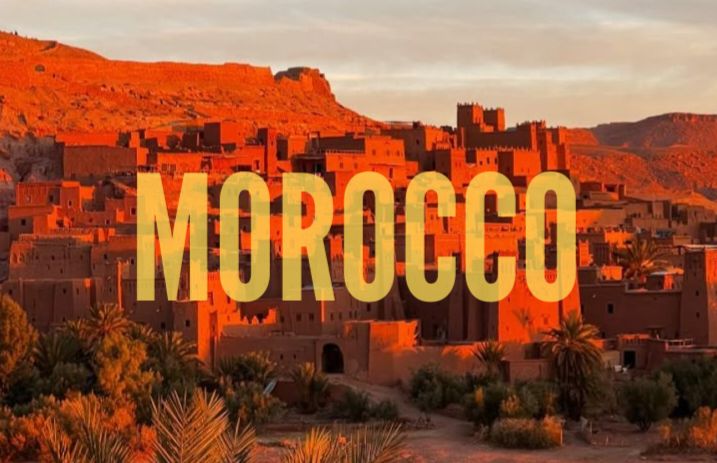
Your first stop is the stunning Kasbah Ait Ben Haddou, a UNESCO-listed ksar known for its earthen architecture and cinematic fame in movies like Gladiator and Game of Thrones.
After exploring, continue to Ouarzazate and through the fragrant Roses Valley before reaching the magnificent Dades Valley. Admire the red rock formations shaped by time and settle into your riad for a peaceful evening.
Overnight in Dades Valley
Dinner & Breakfast included
Day 2: Dades Valley – Todra Gorge – Erfoud – Merzouga Desert

After breakfast, set out toward the spectacular Todra Gorge, one of Morocco’s most impressive natural wonders. Walk along the riverbanks surrounded by towering canyon walls, rising over 300 meters high.
The journey continues through Erfoud, famous for its ancient fossils, before reaching Merzouga, gateway to the Sahara. Here, your camel caravan awaits for a mesmerizing sunset camel trekking in Merzouga adventure across the golden Dunes of Erg Chebbi.
As the sun sets and the sands glow in shades of red and gold, you’ll arrive at your luxury desert camp. Enjoy traditional Moroccan cuisine, live Berber music around the campfire, and a night under a sky filled with a million stars — a truly unforgettable experience.
Overnight in Luxury Desert Camp
Dinner & Breakfast included
Day 3: Merzouga Desert – Draa Valley – Ouarzazate – Marrakech

Awaken to one of the most beautiful sights in Morocco — the sunrise over the Sahara dunes. After breakfast, return to Merzouga by camel or 4×4 and begin your journey back through the scenic Draa Valley, Morocco’s longest oasis.
Along the way, you’ll pass through ancient kasbahs, palm groves, and desert landscapes before crossing the High Atlas Mountains once again.
By early evening, you’ll arrive back in Marrakech, filled with incredible memories of your desert adventure.
For travelers with limited time, 3-day Marrakech desert tours offer a compact introduction to southern Morocco, although they involve long transfers.
1. What a Three-Day Marrakech Desert Tour Usually Includes
A three-day itinerary typically includes transport from Marrakech, stops at selected sights, two overnight stays and a return journey. On a common Merzouga route, the first night is spent in the Dades Valley or a nearby area. The second is usually at a desert camp near Merzouga. The exact route can differ by operator, so check the itinerary carefully. Some tours include breakfast and dinner, while lunches, entrance fees, drinks and optional activities may be paid separately.
Many Marrakech desert tours also include a driver, although that does not necessarily mean you will have a dedicated guide at every attraction. Some operators provide guided visits in particular locations; others arrange transport and allow you to explore independently. In addition, desert transfers may use a camel, a 4×4 vehicle or another arrangement depending on the camp and package. Ask for a written list of inclusions before booking, and confirm what “three days” means in practice: departure and arrival times can make the first and last days feel quite different from full sightseeing days.
2. Is Three Days Enough to Reach the Sahara?
In practice, 3-day Marrakech desert tours work best for travelers who are comfortable with early starts and a full day on the road.
Three days can be enough to travel from Marrakech to the Merzouga area and return, but it is a fast-paced itinerary. You will spend a substantial amount of time on the road, especially on the final day. The journey is part of the experience, with changing mountain and desert scenery along the way; nevertheless, long transfers can be tiring. If your main goal is to relax at a camp or explore several destinations slowly, consider adding an extra day or choosing a closer southern route.
It also helps to distinguish between reaching the desert and having time to experience it. A short tour may provide one evening and one sunrise near the dunes, but it will not leave much time for unhurried walks, longer excursions or several nights under the desert sky. Consequently, look at the number of hours spent driving, not just the number of destinations listed. A good operator will explain the pace honestly and help you decide whether the planned route fits your energy level and available holiday time.
3. Erg Chebbi, Merzouga and Zagora: Choosing the Right Desert
Merzouga is a well-known gateway to the dunes of Erg Chebbi, which are often chosen by travelers hoping to see large, sweeping sand dunes. A three-day tour from Marrakech may include an overnight stay at a camp in or near this area. However, driving there and back takes time, so the itinerary may feel compressed. Check the camp’s location, how you will reach it and how much time you will actually spend in the dunes before deciding whether this route meets your expectations.
Zagora is another option, generally chosen for a shorter southern desert experience. It offers a different landscape and can be a practical choice when you have less time, although it is not the same experience as staying near Erg Chebbi’s dunes. Routes associated with Zagora may include additional driving or a visit to a more remote area, depending on the tour. In other words, do not assume that every “Marrakech desert tour” reaches the same destination. Ask the operator to identify the exact area on the itinerary and describe what the scenery and camp experience are likely to be like.
4. Day One: Marrakech to the Dades Valley
The first day often begins with an early departure from Marrakech. The route usually climbs into the High Atlas Mountains, where winding roads and changing elevations offer broad views of the surrounding landscape. Depending on the tour, stops may include viewpoints, villages or the historic ksar of Ait Ben Haddou. The drive continues through the south toward Ouarzazate and the Dades Valley or another overnight location. Each operator sets its own schedule, so the number and length of stops can vary.
Although the scenery is a major highlight, Day One can be long. You may leave early, spend several hours in the vehicle and arrive at your accommodation in the late afternoon or evening. Therefore, bring water, snacks and any travel essentials you need within easy reach. If you want time to explore Ait Ben Haddou or enjoy a longer lunch, check that the itinerary allows for it. A rushed stop can feel very different from a guided visit, so it is worth asking what is included rather than relying on a short description.
5. Day Two: Dades Valley to the Merzouga Desert
On the second day, the route generally continues through southern Morocco toward Merzouga. Depending on the itinerary, stops may include the Todra Gorge, local towns or scenic areas along the way. The landscape gradually changes from mountains and valleys to drier terrain. These stops can make the transfer more interesting; however, the day still involves significant travel. Ask the operator how much time is planned for each visit and whether the schedule allows for lunch and rest breaks.
After reaching the Merzouga area, travelers usually continue to their camp or meeting point. Some packages arrange a camel ride to the camp, while others use a 4×4 or offer another transfer option. If a camel experience is included, confirm its approximate duration and whether an alternative is available. Try to arrive with enough daylight to enjoy the desert setting. Depending on the season and schedule, you might have time to watch the sun set, settle into camp and enjoy dinner before the evening’s cultural program or free time.
6. Day Three: Sunrise and the Return to Marrakech
The third day often begins early, especially if you want to see sunrise over the dunes. After breakfast, you will typically travel back toward Marrakech, following a long route through southern Morocco and the Atlas region. Depending on traffic, road conditions and the planned stops, arrival may be in the evening. For this reason, avoid booking a tightly timed flight or another important activity immediately after the tour unless the operator confirms that the schedule makes it practical.
Before departure, ask what time the tour is expected to reach Marrakech and how delays are handled. The return drive is an important part of the overall experience, not a small detail at the end. If you know that long road days are difficult for you, a four-day itinerary may offer a more comfortable pace. Alternatively, consider a route with a different end point if that works with your wider travel plans. The best option is the one that leaves you enough time to enjoy the trip without creating unnecessary pressure.
7. Landscapes and Stops Along the Route
The journey from Marrakech toward the desert can introduce you to several very different environments. As you leave the city, the road moves into mountain scenery, then passes through valleys, rocky terrain and settlements shaped by local building traditions. Depending on the route, you may see kasbahs, palm groves and dramatic rock formations. These changes are part of what makes a road trip compelling: the desert is not the only attraction, and the drive can reveal a broader picture of Morocco’s geography.
Even so, every scenic stop takes time, and a three-day schedule has limits. Some tours include a planned visit with a guide, while others allow only a short photo break. Therefore, compare the itinerary details before assuming you will have time to explore every place mentioned in a tour description. If a particular location matters to you, ask how long the tour stops there and whether there is an additional cost. Clear information helps you choose an experience that matches your interests rather than simply collecting place names.
8. Driving Time and the Pace of the Journey
The exact driving time on a Marrakech desert trip depends on the destination, route, road conditions, traffic, weather and number of stops. An itinerary that looks short on a map can still involve winding roads and extended transfers. In addition, meal breaks and sightseeing visits add time to the day. Treat any advertised timing as an estimate and ask whether it refers to driving alone or the full period from departure to arrival.
If you prefer a relaxed holiday, pay close attention to the final day. A return from Merzouga to Marrakech is commonly the most demanding part of the trip because it combines a long distance with a fixed arrival destination. You can make the day more manageable by taking breaks, keeping essentials accessible and avoiding late-night plans on arrival. However, if even a full day on the road sounds uncomfortable, consider a longer itinerary. More time can transform a rushed transfer into a chance to enjoy the places along the route.
9. Choosing the Right Vehicle and Transport Arrangement
Transport quality matters on a multi-day journey. Before booking, ask what type of vehicle is used, how many passengers it carries and how much room is available for luggage. A vehicle that feels comfortable for a short city transfer may be less suitable for several days on the road. It is also sensible to confirm that air-conditioning, seat belts and suitable luggage storage are available. If you have specific needs, explain them before paying a deposit.
The driver’s role is another detail to clarify. Some drivers primarily provide transport, while other packages include more interpretation or guided sightseeing. A driver who knows the route can help with practical stops and timing, but that does not automatically replace a local guide at every attraction. Therefore, ask who will accompany you, which languages are spoken and whether guided visits are included. Knowing what service to expect makes it easier to compare tours fairly and prevents misunderstandings during the trip.
10. Private, Shared and Small-Group Tours
A private tour gives your group more control over timing, stops and the overall pace. It can suit couples, families or friends who want to travel together without sharing a vehicle with strangers. A shared tour, by contrast, follows a set schedule and brings travelers together in one vehicle. It may cost less per person, although you will have less freedom to change the route. Think about the kind of experience you value most before choosing between the two.
Some travelers search for Small Group Morocco Tours because they want a shared experience without joining a large departure. Group sizes, vehicle arrangements and included guiding still vary, however, so check the details rather than relying on the label. The same is true for Morocco Small Group Tours and morocco group tours: those phrases can describe very different styles of travel. Ask for the maximum group size, the number of travelers already booked and how much time is allocated for stops. That information will give you a clearer picture of the tour’s atmosphere.
11. What to Expect from a Small-Group Desert Tour
Authentic Small Group Morocco Tours may appeal to visitors who enjoy meeting fellow travelers while exploring with a more personal feel than a large coach tour. A smaller group can make it easier to share the journey, ask questions and coordinate stops. Nevertheless, “small group” does not automatically mean private or fully flexible. The tour will still have a set itinerary, and decisions may need to work for everyone in the vehicle.
Before booking, check the maximum group size and whether the tour operates only when a minimum number of people sign up. Ask how the company handles changes if a departure is not full, and whether travelers are combined with another booking. Also review the accommodation and meal arrangements, since these can differ from one provider to another. A thoughtfully organized shared trip can be a good fit if you appreciate a social atmosphere. If personal space and schedule control are more important, a private vehicle may suit you better.
12. Tailor-Made and Custom Marrakech Desert Tours
If you have particular interests or travel needs, tailor made Morocco tours can help you shape a route around them. You might request a longer stop at Ait Ben Haddou, a different overnight location or extra time in the desert. Custom Morocco tours can also adjust accommodation, transport or activity choices, depending on the operator. However, not every requested change will be practical on a three-day route, especially when the journey already includes long driving days.
When asking for a tailor-made itinerary, explain your priorities clearly. For example, tell the operator whether you prefer comfort, photography, cultural visits, minimal driving or a specific camp style. Then ask how each change affects the cost and timing. A customized itinerary should be realistic, not merely a standard route with extra stops added to an already crowded schedule. If your preferred experiences cannot fit comfortably into three days, the operator should say so and suggest a longer option rather than promising more than the timetable can deliver.
13. Choosing a Desert Camp
Desert camps vary in location, facilities and atmosphere. Some offer simple accommodation and shared facilities; others provide private tents, ensuite bathrooms or additional comforts. The word “luxury” is not a single, standardized level, so request details about the actual camp included in your booking. Ask about the size of the tent, bathroom arrangements, bedding, electricity, heating or cooling, meals and the distance from the dunes.
It is also important to understand how you will travel between the road and the camp. A camel ride may be included, but a 4×4 transfer or another option might be available, depending on the operator. If you prefer not to ride a camel, have mobility concerns or are traveling with young children, confirm an alternative in advance. In addition, ask what happens if weather or other conditions affect the planned transfer. Clear answers help you choose a camp that suits your comfort level and expectations.
14. Camel Rides and Other Desert Activities
A camel ride is a familiar feature of many desert tours, often offered around sunset or as a route to a camp. The experience can be memorable, but it is optional for many travelers, and arrangements vary by operator. Before booking, ask how long the ride lasts, whether it is included in the price and what alternatives are available. You should also feel comfortable asking how the animals are cared for and whether the activity follows appropriate welfare practices.
Morocco adventure tours may include other activities, such as a guided desert walk, a 4×4 excursion or time to watch the light change across the dunes. These options are not necessarily part of a standard package, so confirm their availability and cost beforehand. Avoid trying to fit too many activities into a brief stay. The desert’s appeal often lies in having time to notice the quiet, the open landscape and the changing sky. A simple, well-paced experience can be more rewarding than a packed schedule.
15. Meals and Food During the Tour
Meals on a three-day tour may be partly included, particularly breakfast and dinner at overnight accommodation or the desert camp. Lunches are often arranged during the day, but they may be an extra cost. Check the package details to understand which meals are included, where they are served and whether drinks are covered. It is also helpful to carry water and a few snacks, especially when you are traveling between towns or have dietary requirements.
If you have allergies, follow a specific diet or need particular foods, tell the operator before departure. Then confirm the arrangements directly with the accommodation or restaurant when appropriate. While some dishes may be familiar and others new, a road trip offers a chance to sample regional cooking at a comfortable pace. However, you are not required to try every meal or activity. Choose food stops that feel suitable for your needs, and leave enough time to eat rather than rushing through every break.
16. When to Take a Marrakech Desert Tour
The best time for a desert tour depends on your comfort with temperature, the regions on your route and your holiday dates. Conditions can vary between Marrakech, the mountains and the desert, and daytime weather may differ greatly from evening temperatures. Spring and autumn are popular periods for many itineraries, but availability and conditions change. Therefore, check a forecast close to your departure date and ask your operator what to expect in each location.
Summer travel may mean hotter conditions in the south, while winter evenings can feel cold, especially at camp. That does not automatically make either season unsuitable; it means you should prepare for the conditions and choose accommodation accordingly. Ask whether the camp provides suitable bedding and how heating or cooling is handled, if relevant. If you are flexible, compare dates as well as destinations. A well-planned tour can be enjoyable in different seasons, provided the itinerary, clothing and expectations match the weather.
17. What to Pack for Three Days in the Desert
Pack for several different settings rather than assuming that every part of the journey will be hot. Comfortable walking shoes, sun protection, a hat, sunglasses and a refillable water bottle can be useful during the day. Layers help with changes in temperature, particularly in the evening or early morning. Bring any medication you need in your day bag, along with chargers, personal toiletries and a small amount of cash for expenses that are not included.
Keep your main luggage manageable and ask the operator about vehicle storage before departure. You may want to carry a smaller overnight bag with the essentials you need at camp, especially if luggage access is limited during the transfer. A light scarf or similar covering can be useful in windy or dusty conditions, although personal preferences vary. Before packing specialist equipment, confirm whether the tour provides it. A simple, practical packing plan can make transfers easier without adding unnecessary weight.
18. Is a Three-Day Tour Suitable for Families?
Morocco Family Tours can be designed around children’s ages, energy levels and interests. A private tour may allow families to take breaks when needed, adjust meal times and make reasonable changes to the schedule. Still, the distances on a three-day desert route can be challenging for some children. Before booking, consider how they usually handle long drives and whether the itinerary includes enough rest stops and comfortable overnight accommodation.
Ask about child seats, family room arrangements, camp facilities and the transfer to the desert camp. If a camel ride is included, find out whether children can participate and what alternatives are available. It may also help to bring familiar snacks, entertainment for the vehicle and extra layers for the evening. A family trip does not need to include every possible attraction. Instead, choose a route that gives everyone time to rest and enjoy the scenery without expecting children to follow an adult-paced schedule throughout.
19. Comfort, Health and Mobility Considerations
A three-day desert trip involves road travel, uneven surfaces and possible changes in temperature. If you have mobility considerations, a medical condition or another specific need, discuss it with the operator before booking. Ask about vehicle access, toilet stops, the walking distance to accommodation and the camp transfer method. What is manageable for one traveler may not be suitable for another, so detailed questions are more useful than relying on general descriptions.
It is also wise to discuss planned activities with a qualified health professional if you are unsure how they may affect you. Travel insurance can be important, especially if your trip includes outdoor activities or several long transfers. Carry essential medication in your personal bag and make sure it remains accessible during the journey. The goal is not to avoid every adventure, but to choose activities and arrangements that let you participate safely and comfortably. A responsible operator should be willing to discuss practical needs clearly.
20. Safety and Responsible Travel
Before departure, confirm your pickup location, the operator’s contact details and the planned route. Keep important documents, medication and valuables secure and accessible. During the journey, follow the driver’s guidance at stops and wear a seat belt whenever one is available. If you have a concern about the schedule, the vehicle or an activity, raise it with the operator as soon as possible instead of waiting until the trip ends.
Responsible travel also includes respecting local communities and the landscape. Ask before photographing people, follow guidance at cultural and religious sites and avoid leaving rubbish in the desert or along the road. If your tour includes a local host, workshop or guide, ask how the visit is arranged and how local businesses benefit. Small choices can make a difference to the quality of the experience. A thoughtful tour should offer comfort and enjoyment while treating residents, workers, animals and natural places with respect.
21. Enjoying Sunset, Sunrise and Desert Photography
Sunset and sunrise are often among the most memorable moments of a desert stay. The light changes quickly, so ask when your camp transfer is planned and whether there will be time to enjoy the view without rushing. You do not need specialized equipment to appreciate the landscape; a phone camera can capture memorable scenes. However, take a moment to look away from the screen as well. The quiet and changing colors are part of the experience, not just a backdrop for photographs.
If photography is a priority, tell your operator before booking. They may be able to recommend a route or camp arrangement that gives you a little more time in the dunes, although a three-day schedule has limits. Be respectful when taking pictures of people and ask permission first. At night, protect your camera and phone from dust and keep batteries charged. Above all, do not assume the itinerary guarantees a specific sunset, weather condition or empty viewpoint. Nature and travel schedules are unpredictable.
22. Understanding Tour Prices and Inclusions
The price of a desert tour can depend on the travel dates, vehicle, group size, accommodation, meals and activities. A shared departure may have a lower per-person price, while a private tour often offers greater control over the vehicle and timing. Higher-priced packages may include upgraded accommodation or additional services, but price alone does not tell you how good the experience will be. Request a clear, itemized description before you compare offers.
Check whether the price includes transport, accommodation, meals, camp transfers, entrance fees and guided visits. Find out what you are expected to pay locally, including lunches, drinks, tips or optional activities. Also review the deposit, cancellation and payment terms. A low headline price may exclude services you assumed were covered, while a more expensive package may not include the features you actually value. Comparing like with like helps you judge value more fairly and choose an option that fits your budget and travel priorities.
23. Questions to Ask Before You Book
Before confirming a tour, ask for the full day-by-day itinerary, including approximate departure and arrival times. Find out where you will stay on each night, what kind of camp is included and how you will reach it. Ask how many people will be in the vehicle and whether the price includes a guide or only transport. These practical questions can reveal important differences between tours that otherwise appear similar online.
You should also ask about meals, optional activities, luggage limits and cancellation conditions. If you have dietary, mobility or family needs, request confirmation of relevant arrangements in writing. Finally, find out what happens if road or weather conditions require a change. No itinerary can guarantee that every detail will go exactly to plan, but a reputable operator should explain how changes are communicated. Clear information before payment makes it easier to book with confidence and avoid surprises later.
24. How to Choose an Operator
When comparing the best Morocco tours, begin with the route and service details rather than promotional language. Look for a clear itinerary, realistic driving expectations and specific descriptions of accommodation. Read recent traveler feedback with care, paying attention to repeated comments about communication, vehicle comfort and how the company handles changes. One review rarely tells the whole story, but consistent patterns may help you assess whether the operator matches your priorities.
Communication before booking is another useful indicator. A good operator should answer questions directly, explain what is and is not included, and avoid promising an unrealistic number of attractions in a short period. If you request changes, ask for an updated itinerary and price in writing. Confirm the company’s contact details and payment terms before sending money. A careful booking process does not guarantee a perfect trip, but it gives you a stronger basis for deciding whether the tour is suitable.
25. Common Planning Mistakes to Avoid
A common mistake is choosing a tour based only on the lowest price or the number of places listed. A packed itinerary may allow only brief stops, and the cheapest offer may exclude meals, activities or services that matter to you. Another mistake is assuming that every tour described as a Sahara trip reaches the same dunes or includes the same camp. Check the route and accommodation details rather than relying on a broad label.
Travelers sometimes also underestimate the return drive or schedule a flight too soon after arrival in Marrakech. Since traffic and road conditions can affect timing, leave a buffer wherever possible. Similarly, avoid assuming that “private,” “small group” or “luxury” has the same meaning with every operator. Ask what those terms include. Finally, do not overlook your own preferences: if you dislike long journeys, a longer tour or a closer destination may be more enjoyable than forcing a famous route into a short trip.
26. How Marrakech Tours Compare with Other Desert Routes
Marrakech is a practical starting point for many travelers already exploring the city, but it is not the only possible departure point. Casablanca desert tours and Sahara Tours from Casablanca may suit visitors arriving in Casablanca, although their routes and travel time can differ. Morocco desert tours from Fes and Fes desert tours connect the historic northern city with southern landscapes. Desert Tours from Tangier can also be arranged, but the distance makes careful planning especially important.
When comparing these routes, consider your arrival city, departure flight and the number of days available. Starting in Marrakech may save you from adding a separate transfer, while a route from another city could fit better into a longer one-way itinerary. The operator should explain where each tour begins and ends, how many travel days it requires and whether it returns to the starting point. If you are already in Marrakech, a route from another city may add unnecessary travel; if not, the best choice depends on your wider plan.
27. Adding Authentic Experiences to a Short Desert Trip
Authentic Morocco Travel Experiences do not require a packed itinerary. A local guide’s explanation, a respectful visit to a historic site or a stop with a skilled craft worker can add context to the journey. Ask how these experiences are organized, who leads them and whether there is enough time to learn rather than simply take a photograph. A genuine exchange should respect the people involved and give you a clearer understanding of the place.
If you want a deeper cultural focus, discuss it before booking. Some tours may be able to include a locally guided walk, a food-related stop or additional time at a place that interests you. However, these additions can affect the schedule, and the long distances still need to be considered. Choose activities that fit the route instead of adding every possible option. A thoughtful three-day itinerary can still feel meaningful when it balances scenery, local knowledge and time to experience the journey at a comfortable pace.
28. Where to Go in Morocco Before or After the Tour
When planning Where to Go in Morocco, think about how the desert trip connects to the rest of your holiday. Marrakech itself offers historic neighborhoods, gardens, museums and a lively food scene. You might spend a few nights there before the tour, then return for a slower day afterward. If you have more time, you could continue to another city, the coast or a mountain destination rather than treating the desert as the only reason to travel south.
The right sequence depends on your flights and interests. For example, a traveler who enjoys architecture may want extra time in historic cities, while someone drawn to open landscapes may prefer the Atlas Mountains or Atlantic coast. Avoid planning an overnight arrival followed by an early desert departure if you can, because rest can make a long journey more pleasant. Leave enough space between major transfers and activities. A well-planned route is not simply a list of famous places; it is a sequence that gives you time to enjoy them.
29. Adding the Desert to a 3 Weeks in Morocco Itinerary
A 3 weeks in Morocco itinerary gives you more flexibility than a short holiday. You can spend several nights in major cities, add a desert journey and still allow time for coastal or mountain regions. In this context, a three-day Marrakech tour may be one part of a wider route rather than the entire focus of your trip. You could also consider extending the desert section, especially if you want extra time in the dunes or a less rushed return.
Start by listing the places and experiences that matter most, then arrange them in a practical order. Consider where you arrive, where you depart and how much time each transfer requires. If you want to include Marrakech, Fes, the desert, the coast and other regions, do not assume that every journey will be short. Add rest days where possible and avoid changing hotels every night. More time allows you to slow down, explore a place in greater depth and adjust the desert tour to your preferred pace.
30. Who Should Choose a Three-Day Desert Tour?
A three-day tour can suit travelers with limited time who still want to experience Morocco’s southern landscapes and an overnight desert camp. It may work well for visitors who are comfortable with long transfers, enjoy road trips and are happy with a brief stay near the dunes. A private departure can offer more control, while a shared trip may appeal to travelers who value a set schedule and a social atmosphere. In either case, check the itinerary against your expectations.
This format may be less suitable if you want several relaxed days in the desert, dislike long drives or need substantial flexibility. It can also be challenging if you are traveling with young children or have specific mobility needs unless the itinerary is carefully adapted. That does not mean you should rule it out automatically. Instead, discuss your needs with the operator and consider alternatives. A successful trip is not the one with the most ambitious route; it is the one that feels enjoyable and manageable for the people taking it.
31. Would Four or More Days Be Better?
If your schedule allows, an extra day can make a desert journey more comfortable. It may give you room for a longer stop, a later start or an additional night in the desert region. Depending on the route, you might also divide the return drive more comfortably. A longer tour does not automatically guarantee better service, so compare what the extra day includes and whether it adds experiences that matter to you.
If you are deciding between three and four days, consider your travel pace and tolerance for long drives. Three days may be sufficient for a compact visit; four or more can suit travelers who want a slower rhythm. Ask the operator to show how the additional time changes the daily schedule. If the longer option simply repeats travel without meaningful stops, it may not be worthwhile. Conversely, if it gives you more time to explore, rest or enjoy the camp, the added day could significantly improve the experience.
32. Final Tips for Planning Your Marrakech Desert Tour
Before booking, decide what matters most: reaching the dunes, spending a night at camp, enjoying scenic stops, traveling privately or keeping costs down. Then compare itineraries based on the actual route, daily driving, accommodation and included services. Ask clear questions about the camp, transport and activities. If you have special needs, communicate them early and request confirmation. These steps can help you find a trip that fits your priorities instead of simply selecting the tour with the most appealing name.
On the day of departure, keep essentials close, allow for schedule changes and try to enjoy the route as well as the destination. The crossing from Marrakech to the desert can reveal a remarkable variety of landscapes, even when the journey is brisk. However, be honest with yourself about whether the pace sounds enjoyable. A three-day trip can be an exciting introduction to Morocco’s southern regions; a longer itinerary may be more suitable if you want time to slow down and explore.
Why Choose Our Marrakech Desert Tours 3 Days?
With over 16 years of travel expertise, Planning to Morocco offers more than just a trip — it’s a cultural and spiritual journey through the heart of Morocco.
We provide:
- Professional, English-speaking driver/guide
- Private, air-conditioned 4×4 or minibus transport
- Carefully selected riads and luxury desert camps
- Custom itineraries tailored to your preferences
- Sustainable tourism that supports local Berber communities
Whether you’re booking Morocco private tours or personalized Morocco Custom Tours, we guarantee comfort, authenticity, and unforgettable moments.
More Morocco Desert Experiences
- Merzouga Desert Tours for thrill-seekers and explorers
- Morocco Desert Trips and Moroccan Desert Trips for cultural immersion
- Exciting quads Merzouga rides for adventure lovers
- Luxurious Luxury Trip to Morocco for premium travelers
Popular Morocco Desert Tours from Marrakech
- 3-Day Tour From Marrakech to Fes
- 3-Day Tour From Marrakech to Merzouga
- 4 Days Tour From Marrakech to Fes
- 5 Days Tour From Marrakech to Fes
Conclusion: Choose the Route That Fits Your Pace
3-day Marrakech desert tours can offer a rewarding combination of mountain scenery, historic stops and an evening near the dunes. They are especially useful for travelers with limited time who are comfortable with long road journeys. Before choosing a tour, confirm whether it goes to Merzouga or another desert area, how the camp transfer works and what the price includes. These details shape the experience far more than a general tour label.
Ultimately, the best Marrakech desert tour is the one that matches your interests, budget and travel pace. Compare private and shared options, ask about realistic driving times and leave room for rest where possible. If you want a relaxed desert stay, consider adding another day. If your schedule is fixed, a well-organized three-day itinerary can still be a memorable adventure. With clear expectations and thoughtful planning, you can enjoy the journey as well as the Sahara’s distinctive landscape.