
The Definitive Guide to Morocco Private Tours: Itineraries, Desert Adventures, and Custom Luxury
Strategic Planning for Your Morocco Tours Plan
When you begin planning to Morocco, the sheer volume of cultural sites and geographic diversity can be overwhelming. To ensure a seamless experience, a well-structured Morocco tours plan should prioritize a logical flow between the imperial cities and the natural wonders of the south. Consequently, many travelers find that starting their journey with a 10 days tour from Casablanca provides the perfect amount of time to witness the transition from the modern Atlantic coast to the ancient spiritual heart of the country.
Furthermore, if you are working with a tighter schedule, a one week Morocco itinerary can still capture the essence of the Kingdom by focusing on the most iconic landmarks. However, for those who crave a deep dive into the local heritage, Morocco custom tours offer the flexibility to linger in specific regions like the Rif Mountains or the hidden valleys of the Atlas. Regardless of your timeframe, the key to a successful trip lies in balancing guided exploration with moments of personal discovery.
Why Morocco private tours are the smartest way to travel Morocco
Morocco private tours are popular for one simple reason: Morocco is incredibly diverse, and private travel lets you experience that diversity without losing time to rigid group schedules. From imperial cities and coastal viewpoints to Atlas passes and Saharan dunes, the highlights are spread out, so timing and routing matter as much as the attractions themselves. With a private driver-guide, you can stop when the light is perfect, arrive earlier to your riad, and adjust the day around your energy instead of forcing yourself to follow a fixed timetable.
Moreover, private touring doesn’t automatically mean “ultra-luxury” or complicated planning. Instead, it usually means you get a clear route, consistent transport comfort, and accommodations that match your preferences, whether you want simple boutique guesthouses or high-end riads and luxury camps. Consequently, many travelers discover that private travel is the easiest path to Authentic Morocco Travel Experiences, because you have the space to enjoy real moments—tea stops, scenic walks, and calm medina exploration—without constant rushing.
What “private tour” should include (and what it should never hide)
A true private tour should include private transportation with a professional driver (and, when needed, licensed local guides in cities such as Fes or Marrakech), plus a clear itinerary that defines overnights, driving ranges, and included experiences. In addition, a quality operator will confirm accommodation categories, desert camp standards (private bathrooms vs shared), and options for camel trekking versus 4×4 transfers. Therefore, the best private itineraries feel transparent and predictable, which is exactly what travelers want when they are spending money on comfort and time savings.
However, some “private” offers hide important compromises such as forced shopping stops, unclear camp facilities, or unrealistic day plans that cause late arrivals. For that reason, you should never accept vague phrases like “overnight in desert camp” without confirming the bathroom situation, bedding quality, and camp location relative to the dunes. Likewise, you should avoid itineraries that cram too many stops into one day, because the result is often less authenticity and more fatigue, even if the brochure sounds impressive.
Private vs small group: when Morocco Small Group Tours make sense
Private travel is ideal when you want full control of your pace and you care about comfort, photography time, or family logistics. That said, Morocco Small Group Tours can be a great alternative when they are genuinely small and built around quality rather than volume. If you enjoy meeting travelers but still want a smooth itinerary, a small group format can offer strong value, especially when the vehicle is comfortable and the guide keeps timing realistic.
Still, the difference between quality small group travel and crowded morocco group tours is enormous. “Small group” should mean a strict passenger limit, clear accommodation standards, and enough flexibility to stop for viewpoints and short walks without turning the day into a rushed convoy. If your priority is culture and calm, choose Authentic Small Group Morocco Tours that describe their stop logic clearly, because those tours are more likely to deliver genuine experiences instead of high-pressure schedules.
Best time to book Morocco private tours (weather, crowds, and pricing)
Spring (March to May) and autumn (September to November) are typically the best seasons because Morocco’s temperatures become comfortable for medina walking and Sahara evenings. During these months, the Atlas landscapes can look greener, the light is excellent for photography, and the desert feels pleasant at sunset instead of extreme. Consequently, these seasons are also the busiest, so early booking often results in better riad choices and higher-quality camp availability.
Winter can be a smart choice for travelers who want quieter roads and don’t mind cold desert nights, especially if you upgrade to camps with better bedding and warmth strategies. Summer is still possible, yet it requires smarter planning such as early departures, more water breaks, and accommodations that protect sleep quality. Therefore, the best time is not only about temperature; it’s also about choosing a route that fits the season, which is exactly what well-designed custom Morocco tours do.

Where to start: Marrakech, Fes, Casablanca, or Tangier?
Your start city changes the story of your trip more than most travelers expect. Marrakech is perfect for classic southern routes and Marrakech desert tours that pass Aït Benhaddou, Dades Valley, and Todra Gorge on the way to Merzouga. Fes, on the other hand, is ideal if you want a greener transition through the Middle Atlas and the Ziz Valley before reaching the dunes, which is why so many travelers book Morocco desert tours from Fes as a central travel chapter.
Meanwhile, Casablanca desert tours are popular because Casablanca has major international connections and works well for travelers who want a coast-to-desert storyline, often marketed as Sahara Tours from Casablanca. In addition, Desert Tours from Tangier are ideal for travelers arriving in the far north, especially when they want Chefchaouen and Fes before heading toward the Sahara. Therefore, the “best” start city is usually the one that matches your flight logistics while minimizing backtracking.
Choosing your desert: Merzouga (Erg Chebbi) vs Zagora vs Agafay vs Chegaga
If you want the iconic tall dunes, Merzouga and the dunes of Erg Chebbi are the most reliable choice because they deliver the classic Sahara image: sweeping sand, deep silence, and dramatic sunrise/sunset colors. This is why Sahara desert tours from Marrakech that reach Merzouga remain the most requested, even though they require multiple days of travel. When paced well, the journey becomes part of the reward, because you see Atlas passes, kasbahs, palm valleys, and canyons before reaching the dunes.
However, not every traveler needs the deepest Sahara to feel satisfied, and that’s where alternatives matter. Agafay offers a rocky desert close to Marrakech that focuses on atmosphere, comfort, and short logistics, while Zagora is a faster overnight route with smaller dunes and a strong “cross the Atlas” feel. Chegaga, meanwhile, is more remote and adventurous, often with off-road segments and a wilder vibe, making it a strong fit for travelers prioritizing Morocco adventure tours over convenience.
What “custom luxury” really means in Morocco (and what’s just marketing)
Luxury in Morocco is most valuable when it improves rest, space, and timing rather than adding flashy extras that don’t change your day-to-day comfort. For example, luxury riads in Marrakech and Fes offer quiet rooms, beautiful design, and service that reduces friction, while luxury desert camps can provide real mattresses, private bathrooms, and better temperature comfort. As a result, “custom luxury” becomes practical: you sleep well, you feel better on road days, and you enjoy each destination more.
At the same time, “luxury” is often used loosely, so it’s wise to ask for specific standards. Confirm whether bathrooms are private, whether the camp is inside or close to the dunes, and whether the riad is well-located for walking rather than requiring constant taxis. When you focus on tangible details instead of labels, you get the benefits of premium travel without paying for vague promises, which is the real purpose of tailor made Morocco tours.
The building blocks of tailor made Morocco tours (how itineraries are designed)
A strong custom itinerary starts with your trip length, arrival/departure cities, and your must-have experiences—usually the Sahara, at least one imperial city, and either mountains or coast. After that, a good designer builds “overnight anchors” that break long distances into comfortable stages and ensure you arrive before dark whenever possible. Consequently, the itinerary feels smooth, because each day has a realistic driving range and a clear reason for each stop.
Next, customization comes from experience choices rather than random additions. Some travelers want guided medina tours, food tastings, hammams, and crafts, while others want hiking, canyon walks, and dune activities for a more active style. Therefore, custom Morocco tours are at their best when they match experiences to your personality while keeping the route geographically logical, because logic is what protects comfort and reduces travel fatigue.
Sample itinerary 1: 3 days (quick Marrakech desert tours without deep Sahara)
A 3-day “desert” plan from Marrakech works best when you choose the right desert type for your time. For example, Agafay can deliver a one-night camp atmosphere near Marrakech, while Zagora can deliver a classic Atlas crossing with an overnight desert vibe, typically via Aït Benhaddou and Ouarzazate. As a result, you get a scenic trip and a camp night without turning your schedule into an exhausting long-haul drive.
However, a 3-day itinerary is usually not enough for relaxed Merzouga dunes from Marrakech if you want comfort, because Merzouga requires distance and time. Therefore, if your heart is set on Erg Chebbi, it’s smarter to upgrade to 4–6 days, or to start from Fes if your route allows it. Choosing the realistic match between time and desert geography is one of the biggest differences between a disappointing trip and one of the best Morocco tours.
Sample itinerary 2: 5 days (Marrakech → Merzouga → Fes route)
A 5-day cross-country route is a favorite because it turns the desert chapter into a strategic transfer rather than a loop that returns to the same city. Typically, you start in Marrakech, cross the High Atlas, visit Aït Benhaddou, continue through Dades and Todra landscapes, reach Merzouga for Erg Chebbi dunes and a camp night, then travel north through the Ziz Valley and Middle Atlas to finish in Fes. Consequently, you experience Morocco’s variety as a story: city energy to desert silence to cultural depth.
In addition, this route is efficient for travelers who want to continue to Chefchaouen or Tangier afterward, since Fes connects naturally to the north. It also pairs well with Morocco desert tours from Fes in reverse, because the Sahara “core” is the same even when the approach route changes. Therefore, if you want a coherent itinerary that reduces backtracking, the Marrakech-to-Fes desert route is one of the smartest private-tour formats.
Sample itinerary 3: 7 days (classic “first Morocco” private circuit)
A 7-day itinerary is often the perfect first-time balance: one coastal or gateway city, one major cultural city, and one Sahara chapter, with Marrakech as either the start or finish. Many travelers choose Casablanca → Chefchaouen → Fes → Merzouga → Dades/Todra → Aït Benhaddou → Marrakech, because it delivers variety quickly while still feeling like a coherent journey. As a result, it answers the planning question that most first-time visitors ask: Where to Go in Morocco in one week without feeling lost.
Nevertheless, seven days still requires smart pacing, because long distances can compress experiences if you add too much. Therefore, private travel is especially useful here, since it protects time and lets you move early, stop strategically, and arrive with enough daylight to enjoy each location. If you want a “complete taste of Morocco” without stretching to two weeks, a 7-day private circuit often qualifies as one of the best Morocco tours.
Sample itinerary 4: 10 days (Sahara Tours from Casablanca with cities + dunes + Marrakech)
A 10-day route is one of the most popular long-form formats because it creates room for deeper city time and more comfortable road days. A classic option begins with Casablanca and Rabat, continues to Chefchaouen and Fes, then heads to Merzouga via the Middle Atlas, followed by Todra Gorge, Dades Valley, Aït Benhaddou, and Marrakech. Consequently, Sahara Tours from Casablanca often feel complete: coast, history, desert, and a strong Marrakech finale.
Moreover, ten days gives you room to upgrade experiences without rushing, such as adding guided medina tours, choosing stronger riads, and selecting a luxury desert camp with private bathrooms. It also allows better pacing for families, because you can shorten driving blocks with smarter overnights rather than pushing long-haul days. Therefore, if you want comfort, variety, and a true “grand Morocco” feeling, ten days is an ideal canvas for tailor made Morocco tours.
Sample itinerary 5: 14 days (deep culture + Sahara + coast, without racing)
Two weeks in Morocco is where the country becomes less like a checklist and more like real travel, because you can stay multiple nights in key places. A strong 14-day private route often includes Marrakech, the Atlas (day hikes or village stays), a Merzouga Sahara chapter, Fes for culture, Chefchaouen for calm, and at least one coastal stop such as Essaouira or Tangier. As a result, you get variety while also protecting downtime, which is often the secret behind truly satisfying travel.
Additionally, two weeks lets you add “authentic upgrades” rather than just luxury upgrades. You can include food experiences, artisan workshops, hammams, and slower medina time without feeling guilty about lost travel days. Therefore, travelers who value Authentic Morocco Travel Experiences often prefer 14 days, because authenticity usually comes from time and rhythm, not from speed.
Sample itinerary 6: 3 weeks in Morocco itinerary (the ultimate custom circuit)
A 3 weeks in Morocco itinerary is the best option if you want Morocco to feel immersive rather than compressed. A common structure includes Casablanca and Rabat, the north (Chefchaouen and Tangier), Fes for deep culture, a Sahara chapter (Merzouga/Erg Chebbi), southern kasbah landscapes (Todra/Dades/Aït Benhaddou), Marrakech, and the coast (Essaouira or Agadir). Consequently, you can travel slowly enough to absorb each region and still connect them in a logical, story-like flow.
Moreover, three weeks gives you the freedom to design the trip around themes: photography, food, history, desert silence, or active trekking. You can also add extra nights in Merzouga for deeper dune exploration, which makes the Sahara feel like a lived experience rather than a single night. Therefore, if you want the highest chance of returning home feeling truly connected to Morocco, three weeks is the ideal format for premium custom Morocco tours.
Morocco Family Tours: how to keep private travel easy with kids
Families often love Morocco, yet family comfort requires a different itinerary rhythm than adult-only travel. The most important strategy is to reduce late arrivals by splitting long distances into shorter blocks and choosing accommodations that support family routines, such as family rooms and private bathrooms. Consequently, Morocco Family Tours work best when you choose 4–6 days for Merzouga from Marrakech rather than rushing a 3-day express schedule.
In addition, flexible desert logistics matter: many families prefer a shorter camel ride or a 4×4 transfer to the camp to keep comfort high while still enjoying the dunes. It also helps to balance intense medina days with calmer nature days, because children travel better with variety and recovery. Therefore, family-focused private touring is less about doing “less Morocco,” and more about doing Morocco in a way that stays joyful and sustainable for everyone.
Morocco adventure tours: adding activity without breaking the route
Morocco is an excellent adventure destination when you integrate activities into the route naturally rather than stacking them randomly. In the Atlas, that might mean village walks, day hikes, or scenic routes with viewpoints, while the south offers canyon walks in Todra Gorge and valley trails in Dades. In Merzouga, you can add dune walks, sandboarding, or carefully managed quad sessions in designated areas, which turns the Sahara into an active, memorable chapter.
However, adventure travel still needs pacing, especially in warm months when heat and dehydration can build faster than expected. Therefore, a good private itinerary balances activity days with easier driving or rest evenings, and it protects sleep by upgrading key overnights like the desert camp. When designed well, Morocco adventure tours feel exciting yet comfortable, which is exactly what most travelers want when they ask for “adventure” without chaos.
Accommodation strategy: riads, hotels, and Sahara camps that match your style
Your accommodation choices can transform the same route from “good” to “exceptional,” especially in Morocco where riads are part of the cultural experience. In Marrakech and Fes, boutique riads improve both location and atmosphere, while in transit regions like Dades you can choose between practical comfort hotels or smaller guesthouses with more character. Consequently, accommodation is one of the smartest “custom levers” because it affects your sleep, your mood, and your daily logistics.
In the Sahara, camp standards matter more than most travelers expect, because a camp is not just a hotel—it’s your entire evening experience. A luxury camp often provides private bathrooms, better bedding, and quieter tent spacing, which improves sleep quality dramatically, especially for couples and families. Therefore, if you want premium comfort without changing the itinerary, upgrading the desert camp is often the most effective investment in the entire trip.
Transport and daily timing: the hidden engine of a great private tour
Morocco’s distances are manageable when timing is smart, because the journey is scenic but still time-consuming. A high-quality vehicle with strong air conditioning, enough legroom, and a professional driver makes long road days feel smoother and safer. Moreover, an experienced driver-guide knows how to time stops for daylight, choose clean lunch options, and avoid unnecessary delays that turn a day into a grind.
In addition, timing is where private travel often outperforms group travel most clearly. Leaving early can help you avoid crowds at popular stops and arrive before dark, which improves safety and comfort while also giving you more time to enjoy your riad. Therefore, if you want an itinerary that feels relaxed and high-end, focus on realistic day plans and early arrivals rather than chasing too many landmarks in a single day.
How Casablanca desert tours and Sahara Tours from Casablanca fit private travel
Casablanca desert tours are ideal for travelers who want easy international flight logistics and a route that combines coast, cities, and Sahara in one coherent line. Many travelers prefer to begin in Casablanca, see the Hassan II Mosque, add Rabat’s monuments, then continue to Fes and the Sahara before finishing in Marrakech or returning to the coast. Consequently, Sahara Tours from Casablanca often feel like a “grand route,” especially for first-time visitors who want a broad overview of Morocco.
Furthermore, Casablanca-start routes can be customized to include Chefchaouen or Tangier depending on your interests and your departure plan. Because private itineraries are flexible, you can adjust the route to reduce backtracking, which is especially valuable when time is limited. Therefore, coastal-start private touring is not only convenient—it can also be strategically efficient when designed as a smooth circuit.
Morocco desert tours from Fes and Fes desert tours: why some travelers prefer them
Morocco desert tours from Fes often feel different from Marrakech-based desert routes, because the approach includes the Middle Atlas landscapes and the Ziz Valley rather than Aït Benhaddou and Dades first. Many travelers enjoy this “forest-to-oasis-to-dunes” transition because it highlights Morocco’s geographic contrasts in a surprising way. As a result, Fes desert tours can be ideal for travelers who want to combine deep culture in Fes with a Sahara chapter without starting in Marrakech.
In addition, Fes is strategically positioned for northward continuation, so it’s easy to add Chefchaouen and Tangier afterward. This matters if your flights depart from the north, or if you want to build a longer itinerary that ends near Europe-facing ports. Therefore, route direction should be chosen by logistics and story flow, not by marketing labels, because the Sahara highlight can be reached from multiple smart angles.
Desert Tours from Tangier: the best north-to-south private route logic
Desert Tours from Tangier are ideal when you land in the far north and want to see Chefchaouen, Fes, and the Sahara in one forward-moving journey. Tangier connects naturally to the Rif and the north’s calmer rhythm, which can make the early days feel relaxed before the trip builds toward bigger cities and desert landscapes. Consequently, a Tangier-start private tour can feel like a gradual deepening of Morocco rather than an immediate intensity overload.
Moreover, Tangier routes are excellent for travelers who want to finish in Marrakech or Casablanca, because you can move south efficiently after the Sahara chapter. This approach works especially well for longer itineraries, including two-week trips and 3 weeks in Morocco itinerary planning, because it reduces repeated roads. Therefore, Tangier can be more than a gateway city—it can be the beginning of a very coherent custom Morocco story.
Pricing and value: what actually changes the cost of private tours
Private tour pricing is mostly driven by vehicle type, number of travel days, accommodation level, and desert camp standards. Upgrading from standard to luxury camps and high-end riads increases cost, yet it also increases comfort in tangible ways—better sleep, better bathrooms, better location, and smoother service. Additionally, peak seasons raise prices because demand increases, especially for high-quality boutique accommodations in Marrakech, Fes, and Chefchaouen.
However, value is not the same as price, and the best value often comes from choosing upgrades that you truly feel every day. For example, better transport and a better desert camp can improve comfort more than adding more destinations. Therefore, when building best Morocco tours for your budget, focus on the elements that reduce friction—sleep quality, timing, and reliable logistics—because those elements determine whether your trip feels premium or merely expensive.
Booking checklist: what to confirm before you pay
Before booking, confirm accommodation names or at least categories, camp bathroom standards, and whether rooms are private throughout the trip. Also confirm transport details, including vehicle model/class, AC reliability, and how luggage is handled on the desert night. In addition, ask whether the itinerary includes any shopping stops and whether they are optional, because this detail strongly affects authenticity and pacing.
Finally, clarify guide structure: will you have a driver-guide throughout, and will you add licensed local guides in Marrakech and Fes? This is important because city guiding quality impacts cultural understanding and prevents wasted time in complex medinas. Therefore, a clear booking checklist protects your expectations and ensures that your private itinerary feels truly custom rather than a generic route with a private car.
Embarking on a 10 Days Tour From Casablanca Morocco
A 10 days tour from Casablanca Morocco serves as the gold standard for a comprehensive national circuit. Because Casablanca is the primary international gateway, starting here allows you to visit the majestic Hassan II Mosque before heading north to the capital, Rabat. From there, the journey typically unfolds toward the Roman ruins of Volubilis and the medieval streets of Fes, ensuring that every day is filled with a new layer of Moroccan history.
In addition to the historical northern route, this itinerary seamlessly transitions into the wilderness. After departing Fes, you will enjoy a scenic Fes to Marrakech desert tour 5 days, which allows for a more relaxed pace through the Ziz Valley and the high plateau. By the time you conclude with a Casablanca to Marrakech drive, you will have experienced a full circle of Moroccan life, from urban sophistication to the nomadic rhythms of the desert.
The Allure of Marrakech Desert Tours
For many, the quintessential Moroccan experience begins with Marrakech desert tours, which bridge the gap between the vibrant “Red City” and the silence of the sands. Specifically, a 6 days tour from Marrakech offers enough time to cross the High Atlas Mountains via the Tizi n’Tichka pass and explore the UNESCO-listed Ait Ben Haddou.
Because these routes are handled by professional guides, you can focus on the breathtaking scenery while your driver navigates the winding mountain roads with ease. Moreover, if you are looking for a shorter but equally impactful escape, the 3 days tour from Marrakech to Merzouga is the most popular choice for time-conscious travelers. Even within this condensed timeframe, you can experience the dramatic shift in landscape as the palm groves of Skoura give way to the towering rock walls of the Todra Gorge.
Popular tours from Marrakech :
Immersive Experiences in the Dunes of Erg Chebbi
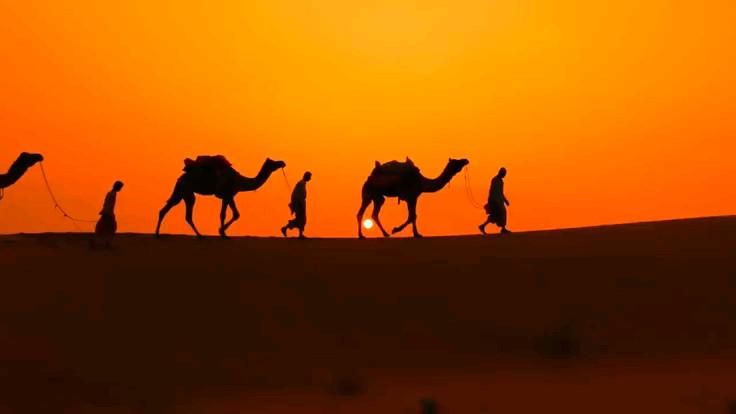
The highlight of any Morocco desert tour is undoubtedly the arrival at the dunes of Erg Chebbi in Merzouga. To truly appreciate the scale of these golden peaks, a camel ride in Merzouga at sunset is an absolute necessity. As the light changes from amber to deep violet, the camel trekking in Merzouga provides a rhythmic, meditative way to reach your luxury camp, echoing the ancient caravan routes that once crossed these very sands.
Additionally, for those seeking a modern thrill alongside traditional transport, quads Merzouga excursions offer a high-octane way to navigate the crests of the dunes. After an afternoon of adventure, your Merzouga desert tours typically culminate in a night under the stars, where the lack of light pollution reveals the Milky Way in stunning clarity. Whether you choose the slow pace of a camel or the speed of a quad, the Sahara leaves an indelible mark on every traveler’s soul.
Connecting the Imperial Cities: Fes Desert Tours
A Fes to Marrakech desert tour 3 days is often cited as the most efficient way to link the two most famous cities in the country. Instead of a long, monotonous train ride or flight, this route takes you through the Middle Atlas cedar forests, where you might spot Barbary macaque monkeys. Consequently, Fes desert tours turn a day of transit into a multi-day highlight, featuring a night in the Sahara before arriving in the palm-fringed outskirts of Marrakech. Similarly, the 5 days tour from Marrakech to Fes offers an even more granular look at the Berber heartland. This extended version allows for extra nights in the Dades Valley or the Rose Valley, which is particularly beautiful during the spring harvest. By choosing these Fes tours, you ensure that your journey between the imperial cities is punctuated by dramatic canyons, ancient kasbahs, and authentic cultural exchanges.
Northern Gateway: Tangier Tours and the Blue City
For travelers arriving from Europe, Tangier tours provide a fascinating introduction to the Mediterranean influence on Moroccan culture. Starting your adventure here allows for a stunning Fes to Chefchaouen drive, where you can explore the world-famous “Blue Pearl” nestled in the Rif Mountains. Because tours from Tangier are less crowded than those starting in the south, they offer a more tranquil start to your luxury trip to Morocco. Furthermore, the northern routes provide a unique architectural perspective that differs significantly from the Saharan south. You can wander through the whitewashed streets of the Tangier Kasbah and then head south toward the spiritual capital, Fes. By integrating these northern gateways into your plan, you gain a 360-degree view of the country, ensuring your Moroccan desert trips are grounded in a broader understanding of the nation’s diverse identity.

Frequently Asked Questions About Morocco Private Tours
When is the best time to visit Morocco for a desert trip?
The ideal time to book your Morocco desert tours is between October and April. During these months, the daytime temperatures are pleasantly mild, ranging from 20°C to 25°C, making it perfect for camel trekking in Merzouga without the intense heat of the summer months. Consequently, you can enjoy the dunes of Erg Chebbi under clear blue skies, while the evenings remain crisp and perfect for gathering around a traditional Berber campfire. On the other hand, if you are planning a luxury trip to Morocco during the summer months of July and August, the desert can reach temperatures exceeding 45°C. For those traveling in this season, we recommend focusing on coastal cities like Essaouira or the cooler High Atlas Mountains. Regardless of when you choose to travel, a private tour ensures your vehicle is fully air-conditioned and your schedule is adjusted to avoid the peak heat of the day.
Morocco desert tour from Marrakech?
When preparing for Morocco desert trips, layering is the secret to comfort. During the day, you should wear loose-fitting, breathable cotton or linen clothing to protect your skin from the sun. Additionally, for the camel ride in Merzouga, we suggest wearing long trousers to avoid irritation from the camel’s fur and sturdy, closed-toe shoes for walking across the shifting sands. As the sun sets over the Sahara, temperatures can drop significantly, even in the spring. Therefore, it is essential to pack a warm fleece or jacket for the evening at your desert camp. Don’t forget your high-SPF sunscreen, a wide-brimmed hat, and quality sunglasses to protect against the desert glare. Bringing a power bank is also a smart move to ensure your camera stays charged for those unforgettable sunrise photos over the dunes.
Conclusion: Your Journey Awaits
The Unmatched Value of a Private Experience
In summary, choosing Morocco private tours is about more than just luxury; it is about the freedom to connect deeply with a vibrant culture. Whether you are navigating the 9,000 alleys of the Fes Medina or enjoying a 5 days Marrakech desert tour, the presence of a dedicated local guide transforms the experience. You move from being a mere observer to a welcomed participant in the Moroccan way of life, supported by the safety and comfort of a professional travel team.
Ultimately, your Moroccan desert trips should be as unique as you are. By opting for a customized 10 days tour from Casablanca or a focused 3 days tour from Marrakech to Merzouga, you ensure that every moment aligns with your personal travel goals. Morocco is a land of infinite stories and breathtaking landscapes—let us help you write your own chapter in this ancient, sun-drenched Kingdom.